A clogged toilet is a nightmare for almost every homeowner.
Everything may be going fine until your toilet suddenly stops flushing properly. And when the same problem keeps coming back, it becomes even more frustrating.
A toilet is designed to remove human waste and toilet paper through its drainage system. But sometimes, something blocks that flow, leaving you with a toilet problem that needs attention.
If you’re wondering, why does my toilet keep clogging? there could be several reasons. It might be excessive toilet paper, a weak flush, a partially blocked trap, or a problem deeper in the drain line.
The good news is that many of these problems are easy to identify. Let’s look at the common causes and what you can do to fix them.
Why Does My Toilet Keep Clogging?
A toilet can clog when waste cannot move freely through the trapway and drain pipe. Sometimes the blockage is inside the toilet itself. Other times, the problem is farther down the plumbing system.
If your toilet clogs once, it may simply be too much toilet paper. But if it keeps clogging after you’ve cleared it, there is probably an underlying issue.
Here are the most common causes and possible solutions.
| Reasons for Toilet Clogging | Possible Solutions |
|---|---|
| Weak flushing | Check the tank water level, flush mechanism, and rim openings. |
| Clogged drain pipe | Use a toilet plunger or auger. Call a plumber if the clog returns. |
| Hard water buildup | Remove mineral deposits using toilet-safe cleaning methods. |
| Low tank water level | Adjust the fill valve and check for water supply problems. |
| Blocked toilet trapway | Try a flange plunger or toilet auger. |
| Flushing foreign objects | Remove the obstruction and avoid flushing non-flushable items. |
| Septic system problems | Have the septic tank and drainfield inspected. |
| Main drain blockage | Contact a plumber for drain inspection and cleaning. |
1. Weak Flushing in Low-Flow Toilets
Low-flow toilets are popular because they use less water and can help reduce household water bills.
However, some older low-flow models, especially early-generation designs, do not remove waste as effectively as modern toilets.
If the toilet does not release enough water or the flushing mechanism is not working properly, waste may remain in the trapway and eventually cause a clog.
But remember that modern low-flow toilets can provide excellent flushing performance. Water efficiency alone does not mean a toilet is more likely to clog.
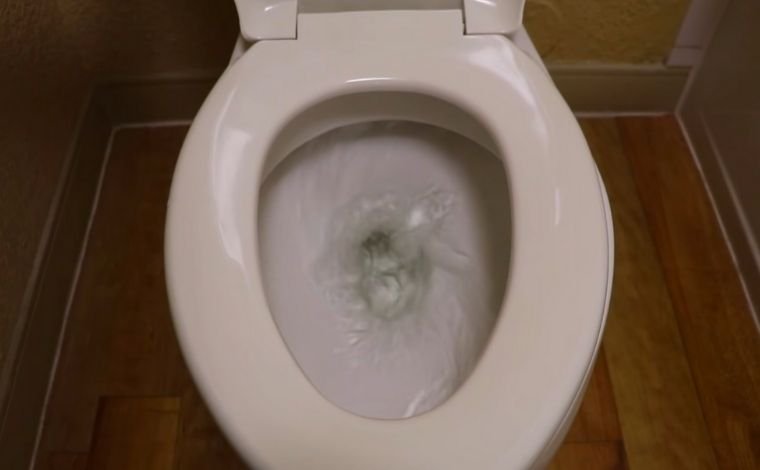
Solution: First, check whether the toilet is flushing with its normal amount of water. Make sure the tank fills properly and the flush valve operates correctly.
Also, avoid using excessive toilet paper in a single flush. If your older toilet frequently clogs despite proper maintenance, upgrading to a better-performing model may be worth considering.
2. Partially Clogged Drain Line
Sometimes, the real problem is not inside the toilet. It’s farther down the drain line.
Over time, foreign objects, waste, and other debris may create a partial blockage. The toilet might flush normally sometimes, but larger amounts of waste can get stuck.
Old drain pipes can also develop problems such as damaged sections, poor alignment, or tree-root intrusion.
This explains why a toilet may work again after plunging, only to clog a few days later.
Solution: Start with a toilet plunger. If that doesn’t clear the blockage, a toilet auger may help when the obstruction is within the toilet’s trapway.
If you’re unsure which tool is suitable, this toilet auger vs. drain snake comparison explains the difference.
If the clog keeps returning, ask a plumber to inspect the drain line. In some cases, professional drain cleaning is enough. Pipe repair or replacement is necessary only when the condition of the plumbing requires it.
3. Hard Water and Mineral Buildup
Hard water contains dissolved minerals, mainly calcium and magnesium.
Although hard water is generally safe for household use, it can leave white or chalky deposits inside plumbing fixtures.
Over time, mineral buildup may restrict the small rim openings or siphon jet in certain toilets. This can weaken flushing performance and make waste harder to remove.
However, hard water is not usually the first cause to suspect when a toilet keeps clogging.
Solution: Inspect the bowl’s water outlets for mineral buildup. Use a cleaner approved for your toilet’s finish and follow the manufacturer’s instructions.
A water softener may help reduce future mineral deposits, but it will not remove an existing physical blockage.
Avoid pouring strong chemical drain cleaners into the toilet. They may damage components or create hazards when you later use a plunger or auger.
4. Low Water Level in the Toilet Tank
Your toilet needs the correct amount of water to complete an effective flush.
If the tank water level is too low, the toilet may not release enough water to carry waste through the trapway.
This can lead to weak flushing, leftover waste, and repeated clogging.
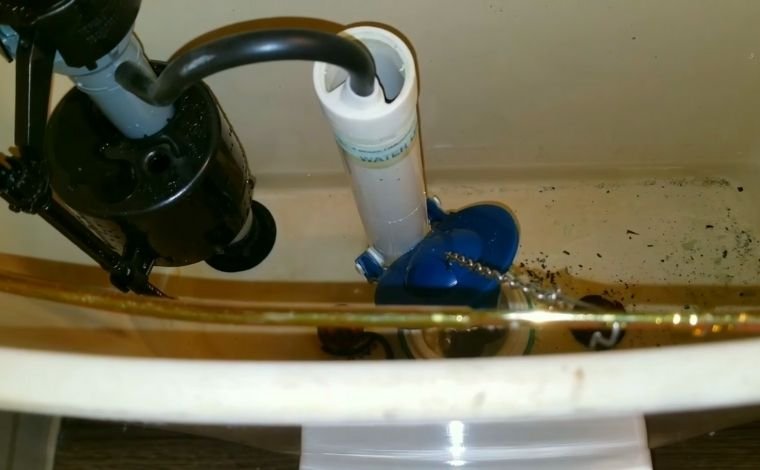
Solution: Remove the tank lid and check the water level. It should normally reach the manufacturer’s marked fill line, often below the top of the overflow tube.
If the level is too low, check these components:
- Fill valve adjustment.
- Water supply shutoff valve.
- Float mechanism.
- Flapper or flush valve seal.
- Refill tube positioning.
Adjust the fill valve according to the toilet’s instructions. If you haven’t done this before, follow our guide on how to adjust a toilet float.
If the fill valve cannot maintain the correct level, it may need cleaning or replacement.
Also, check the bowl’s water level. If it is unusually low, the cause could be a refill problem, partial blockage, or another plumbing issue.
5. Blocked Toilet Trapway
Every conventional flushing toilet has a built-in trapway. This curved passage holds water to help prevent sewer gases from entering your bathroom.
Unfortunately, the curved shape can also trap foreign objects or excessive toilet paper.
Small toys, wipes, and other objects may become lodged inside the trapway, creating repeated clogs even when the toilet appears clear.
Solution: Use a flange plunger designed for toilets. Make sure the plunger creates a good seal around the drain opening.
If plunging doesn’t help, try a toilet auger with a protective sleeve to reduce the risk of scratching the porcelain.
Our step-by-step guide on how to use a toilet auger explains how to reach and clear stubborn blockages.
Do not force a metal tool into the trapway or use WD-40 as a clog remover. If a solid object is stuck and cannot be reached safely, a plumber may need to remove the toilet to retrieve it.
6. Flushing Things That Shouldn’t Go Down the Toilet
This is one of the most common reasons for recurring toilet clogs.
Toilets are designed to handle human waste and ordinary toilet paper. They are not made to dispose of household trash.
Sometimes children accidentally drop toys or other objects into the bowl. Adults may also flush items without realizing they can block the drain.
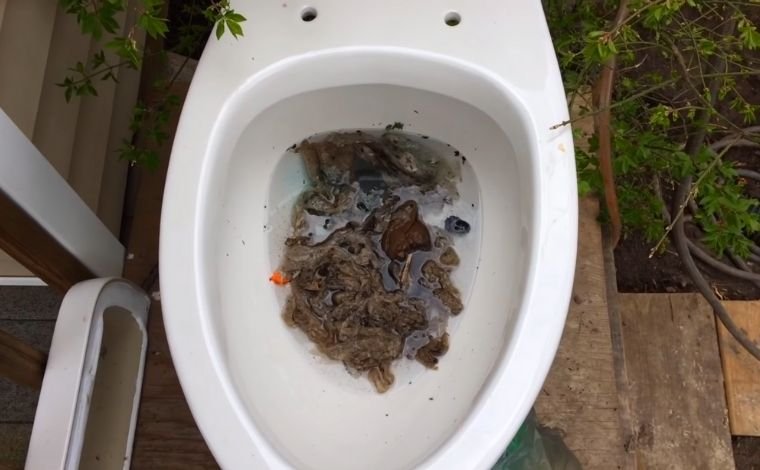
Common items that can cause toilet clogs include:
- Baby wipes and so-called flushable wipes.
- Paper towels.
- Sanitary pads and tampons.
- Cotton balls and cotton swabs.
- Dental floss.
- Diapers.
- Cat litter.
- Food scraps and grease.
- Small toys and plastic objects.
Unlike toilet paper, many of these materials do not break apart quickly in water.
Solution: Keep a small trash bin in the bathroom and teach children what should and should not be flushed.
If an object falls into the toilet, remove it before flushing whenever it is safe to do so. If something has already disappeared into the trapway, see how to remove an object stuck in a toilet trap.
And remember, paper towels should not be flushed, even though they may look similar to toilet paper.
7. Blockages in the Main Plumbing System
Sometimes, the toilet keeps clogging because the blockage is in the main drain or sewer line.
When several fixtures share the same drain line, a blockage can affect more than one fixture.
For example, you might notice that the bathtub drains slowly or water backs up into the shower when the toilet is flushed.
Other warning signs include:
- Gurgling sounds from nearby drains.
- Multiple toilets draining slowly.
- Sewage backing up into the shower or bathtub.
- Repeated clogs despite successful plunging.
In multi-story homes, shared drain lines can make the problem more confusing. If the issue mainly affects an upstairs bathroom, our guide on why an upstairs toilet keeps clogging covers additional plumbing considerations.
Solution: If multiple fixtures are affected, stop using the plumbing until the problem is checked. Additional flushing may cause wastewater to overflow.
A professional plumber can inspect the drain and determine whether it needs cleaning, repair, or further investigation.
8. Septic Tank or Drainfield Problems
If your home uses a septic system, recurring toilet clogs may be a warning sign of a larger problem.
A septic tank collects wastewater and separates solids from liquid. The liquid effluent then moves into the drainfield for further treatment in the soil.
When the tank is overdue for maintenance or the drainfield is not working properly, wastewater may back up into household plumbing.
You may notice slow drains, gurgling sounds, sewage odors, or backups affecting several fixtures.
Solution: Have the septic system inspected by a qualified professional.
The US Environmental Protection Agency generally recommends inspecting household septic systems every one to three years and pumping tanks every three to five years, depending on system conditions and household use.
However, pumping alone will not fix a damaged or failing drainfield.
If sewage is backing up into your home, avoid contact with wastewater and arrange professional assistance.
9. Too Much Toilet Paper or Flushable Wipes
Even if nothing unusual goes into your toilet, it can still clog when too much toilet paper is flushed at once.
A large amount of paper can bunch together inside the trapway, especially when the flush is already weak.
Flushable wipes are another concern. Although some packages describe them as flushable, they may not break down like ordinary toilet paper.
Solution: Use a reasonable amount of toilet paper and flush in smaller batches when necessary.
Keep wipes in the trash rather than flushing them. If the problem continues despite changing these habits, check for a partial blockage or flushing problem.
How to Stop a Toilet From Clogging Repeatedly
If your toilet keeps clogging, start with the simplest possible causes before considering expensive repairs.
- Check what is being flushed: Stop flushing wipes, paper towels, and other non-flushable items.
- Inspect the tank: Make sure it fills to the correct water level.
- Check flushing performance: Look for weak water flow or blocked rim openings.
- Use the correct plunger: A flange plunger is generally more effective for toilets.
- Try a toilet auger: Use one if a blockage remains in the trapway.
- Watch nearby drains: Problems affecting multiple fixtures may indicate a main-line blockage.
- Call a plumber when needed: Repeated clogs after clearing the toilet usually deserve further inspection.
Important: If the toilet bowl is close to overflowing, do not keep flushing. Turn off the toilet’s water supply if necessary and deal with the blockage before using it again.
Frequently Asked Questions
Why does my toilet keep clogging even when I don’t use much toilet paper?
The problem may be a partially blocked trapway, weak flushing, mineral buildup, or an obstruction farther down the drain. If the toilet clogs repeatedly under normal use, it is worth checking the flushing system and drain line.
Can a toilet become permanently clogged?
Most toilet clogs can be removed. However, a damaged trapway or an object that cannot be retrieved may make replacement more practical. Do not replace the toilet until you have identified the actual problem.
Why does my toilet clog every few days?
A recurring clog often means the blockage was never fully removed. A partial obstruction may allow water through while trapping toilet paper and solid waste. A toilet auger or professional drain inspection may be necessary.
Will a stronger flushing toilet prevent clogs?
A toilet with better flushing performance may help if your current model struggles to remove normal waste. However, it will not solve clogs caused by foreign objects, damaged pipes, or a blocked sewer line.
Should I use chemical drain cleaner in a clogged toilet?
Generally, no. Many chemical drain cleaners are unsuitable for toilets and can create risks for the user and anyone working on the plumbing. A toilet plunger or toilet auger is usually a better first choice.
When should I call a plumber for a clogged toilet?
Call a plumber if the clog keeps returning, an auger cannot clear it, wastewater backs up into other fixtures, or you suspect a damaged drain or septic problem.
Bottom Line
So, why does my toilet keep clogging? In most cases, the problem comes from excessive toilet paper, foreign objects, weak flushing, or a partial blockage in the trapway or drain.
Start by checking how the toilet is being used and whether the tank releases enough water. These simple checks may help you identify the problem without spending money on unnecessary repairs.
But if the toilet keeps clogging after you’ve cleared it, don’t ignore the issue. The blockage may be deeper in the plumbing system.
Avoid forcing tools into the toilet or repeatedly flushing a blocked bowl. When basic troubleshooting doesn’t work, call a professional to find the real cause.
Fixing that cause is the best way to stop the same clog from coming back.
Related articles:
Hi, this is Robert Crossan, the owner of this website, has 17 years of experience in the installation, maintenance, and repair of toilets and plumbing systems. After completing the Level 2 Basic Plumbing course in 2005, I started working in both domestic and commercial buildings as a professional plumber. So I can figure out the core difference between different toilet models and brands. It also helped me monitor their work performance and setbacks.