Installing a new toilet is exciting, especially when you’re replacing an old one that frequently leaks or clogs. But if you’ve never installed a toilet before, you might wonder how long you should wait before using it.
So, how long after installation can a toilet be used? In most cases, a standard floor-mounted toilet can be used as soon as the installation is complete, the water supply is connected, and you’ve confirmed there are no leaks.
However, if your plumber applied silicone caulk, grout, or installed the toilet over a newly tiled floor, you may need to wait longer. The required time depends on the materials used and their manufacturer’s instructions.
Let’s look at the differences so you can safely use your new toilet without damaging the installation.
How Long After Installation Can a Toilet Be Used?
A newly installed toilet is usually ready for normal use immediately after proper installation and testing, provided no uncured materials require a waiting period.
The biggest factor isn’t the toilet brand or flushing technology. It’s how the toilet was installed and whether any sealant or flooring materials need time to cure.
Here’s a quick comparison:
| Installation Condition | When You Can Use the Toilet |
|---|---|
| Standard toilet with wax ring | After installation and successful leak testing |
| Toilet with wax-free seal | After installation and testing, unless the manufacturer specifies otherwise |
| Toilet with silicone caulk | Follow the sealant’s specified return-to-service time |
| Toilet with grout around the base | Follow the grout manufacturer’s curing requirements |
| Toilet installed over new flooring | After the flooring system is ready to support the fixture |
For example, if you’re replacing a toilet on a finished bathroom floor with a standard wax ring, you normally don’t need to wait several hours for the wax to dry.
However, you should still check for leaks and make sure the toilet is stable before using it.
If you’re planning the entire replacement, our guide on how long toilet installation takes explains the installation process and common time considerations.
Why Should You Wait After Installing a New Toilet?
Waiting isn’t always necessary, but there are situations where using the toilet too early can create problems.
The most important reasons include:
- Sealant curing: Fresh silicone or other sealants may need time before exposure to water or regular use.
- Flooring work: Newly installed tile, grout, or mortar may not be ready for normal loads.
- Leak testing: The installer needs to confirm that the toilet and water connections are properly sealed.
- Toilet stability: The fixture must be firmly secured without rocking.
- Plumbing connections: The tank, supply line, and drain connection must function correctly.
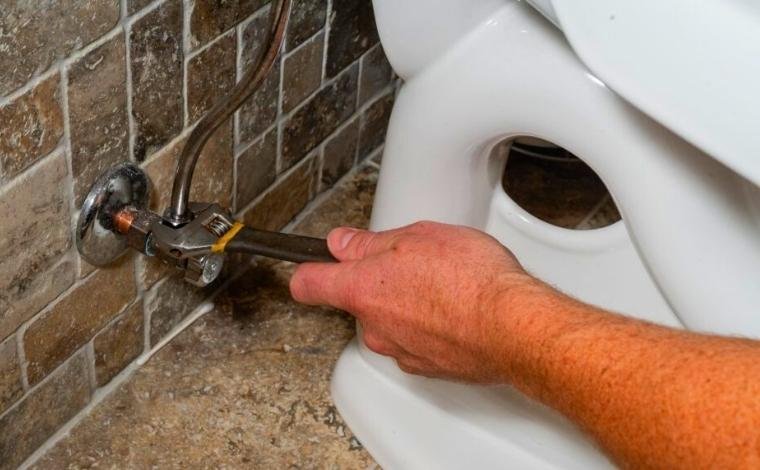
Using a toilet before the installation is complete can lead to water leaks, damaged sealant, or an unstable fixture.
If you notice water collecting around the bottom of the toilet, read our guide on why a toilet leaks from the base before continuing to use it.
How Long Should You Wait After Installing a Toilet With a Wax Ring?
A wax ring is one of the most common methods used to seal a toilet to the drain flange.
It creates a watertight connection between the toilet outlet and the drainage system.
Unlike silicone or grout, a traditional wax ring doesn’t need to dry or cure.
When the toilet is lowered into place, its weight compresses the wax ring and forms the seal.
After the toilet is properly secured, the water supply is connected, and the installation passes a leak test, it can normally be used.
However, the toilet shouldn’t be lifted or repositioned after the wax has been compressed without following the seal manufacturer’s instructions. A disturbed wax ring generally needs replacement.
Important: Caulk around the outside of the toilet doesn’t replace the wax ring. The wax ring or approved alternative is responsible for sealing the drain connection.
How Long Should You Wait After Installing a Toilet With Grout?
Some installers use grout around the bottom edge of a toilet to create a finished appearance.
However, grout isn’t the primary drain seal and shouldn’t be relied on to secure the toilet to the floor.
Grout is relatively rigid and can crack when a toilet moves or when the floor experiences slight movement.
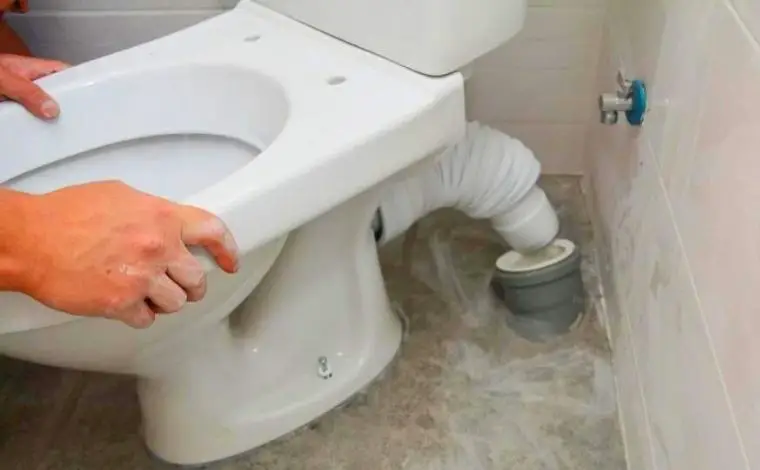
If grout has been used around the toilet base, the waiting period depends on the product.
Some grout products require approximately 24 hours or longer before certain types of exposure or use. Others have different curing and return-to-service requirements.
Don’t assume that six to twelve hours is enough for every grout product.
Check the packaging or ask the installer how long the particular grout needs to cure.
For most conventional installations, a suitable flexible bathroom sealant is generally a more practical choice than rigid grout for the exterior joint, subject to local codes and installation requirements.
How Long Does Silicone Caulk Take to Dry Around a Toilet?
Silicone caulk is commonly applied around the base of a toilet to create a neat finish and prevent surface water from flowing underneath the fixture.
It can also help reduce dirt and moisture collecting in the gap between the toilet base and the floor.
However, drying and curing are not the same thing.
Caulk may feel dry on the surface before it has fully cured throughout.
Fast-Curing Silicone Caulk
Some modern bathroom sealants are designed to resist water relatively quickly.
For example, certain DAP kitchen and bath sealants are advertised as water-ready in approximately 30 minutes under specified conditions.
However, water-ready doesn’t necessarily mean the product has reached its full cure or is ready for every kind of stress.
Standard Silicone Caulk
Other silicone sealants may require 12–24 hours or longer before normal exposure, depending on the product, application thickness, temperature, and humidity.
Always follow the exact return-to-service instructions on the label.
For product-specific guidance, see the DAP kitchen and bath sealant specifications.
While the sealant cures, avoid washing the floor around the toilet or disturbing the fresh caulk bead.
Can You Use a Newly Installed Toilet Without Caulk or Grout?
Yes. A standard floor-mounted toilet can function without a bead of caulk or grout around its base, provided the drain seal, flange, floor bolts, and plumbing connections are properly installed.
The toilet’s main wastewater seal comes from the wax ring or approved wax-free gasket, not the exterior caulk.
However, some plumbing codes require the joint between the toilet fixture and floor to be sealed.
Caulking can also help prevent mop water, splashes, and dirt from entering the gap beneath the toilet.
Where permitted, some installers leave a small opening at the back of the exterior caulk bead so leakage can become visible rather than remaining trapped beneath the fixture.
Follow applicable plumbing codes and the toilet manufacturer’s installation instructions.
Does Bathroom Floor Condition Affect Toilet Installation Time?
Yes. The condition of your bathroom floor can make a significant difference.
Installing a Toilet on an Existing Finished Floor
If the bathroom floor is level, stable, and already finished, a new toilet can often be installed and tested without additional flooring work.
Once the connections are secure and there are no leaks, the toilet is generally ready to use unless the sealant requires a waiting period.
Installing a Toilet on Newly Laid Tiles
New tile installations require suitable curing time for the mortar, grout, and other materials.
Installing a heavy toilet too soon may disturb tiles that haven’t developed sufficient bond strength.
Ask the tile installer when the floor can safely support the toilet and normal use.
Installing a Toilet on an Uneven Floor
If the toilet rocks after installation, don’t assume caulk will solve the problem.
The toilet may need proper leveling, suitable shims, or repairs to the flange or floor.
Our guide on fixing a loose or wobbly toilet explains the common causes and repairs.
What Should You Check Before Using a Newly Installed Toilet?
Even if the toilet doesn’t require drying time, it’s important to make sure the installation is working correctly.
Here’s a simple checklist:
- Check the toilet’s stability: The bowl should sit firmly without rocking.
- Inspect the water connection: Look for leaks around the supply valve and hose connections.
- Check the tank: Confirm the tank is properly mounted and isn’t leaking.
- Perform a test flush: Make sure water enters and leaves the bowl normally.
- Inspect the base: Look for water appearing around the toilet after flushing.
- Check the sealant: If caulk or grout was used, confirm the required waiting time.
- Check the floor: Make sure any recently installed flooring is ready for use.
Repeat the flush test and inspect the connections again.
If you notice leaking, movement, or unusual drainage behavior, stop using the toilet until the problem is corrected.
What Happens If You Use a New Toilet Too Soon?
Using a properly installed toilet immediately isn’t necessarily harmful. Problems arise when the toilet hasn’t been fully secured or when you disturb materials that still need to cure.
Possible consequences include:
- Damaging a freshly applied caulk bead.
- Disturbing newly installed flooring materials.
- Causing an unstable toilet to shift.
- Compromising the drain seal if the toilet moves.
- Overlooking a leak that leads to floor damage.
A toilet that shifts can disturb its drain seal, potentially allowing wastewater to escape during flushing.
That’s why proper installation and inspection matter more than waiting an arbitrary number of hours.
Frequently Asked Questions
1. Can you use a new toilet immediately after installation?
Yes, in many standard installations. If the toilet is properly secured, the water supply is connected, and it passes leak testing, it can usually be used immediately. Follow any additional sealant or flooring cure requirements.
2. How long after installation can a toilet be used if silicone was applied?
It depends on the specific silicone product. Some sealants are water-ready in as little as 30 minutes, while others require considerably longer. Follow the manufacturer’s return-to-service instructions.
3. Does a toilet wax ring need time to dry?
No. Traditional wax rings don’t cure like silicone. They form a seal when the toilet compresses the wax against the flange. The toilet can normally be used after proper installation and testing.
4. Can you flush a newly installed toilet before the caulk dries?
A test flush is normally part of installation, and the exterior caulk isn’t the drain seal. However, avoid disturbing the caulk and follow its exposure and return-to-service instructions before regular use.
5. How long should I wait after installing a toilet on new tile?
Wait until the tile adhesive, grout, and flooring system have met their manufacturer’s requirements for supporting the fixture and normal use. The waiting period varies by product.
6. What should I do if my newly installed toilet leaks?
Stop using the toilet, turn off the water supply if necessary, and identify where the leak is coming from. Check the supply connection, tank seals, and drain seal. Contact the installer if the problem isn’t obvious.
Final Thoughts
So, how long after installation can a toilet be used? For a standard toilet installed on an existing finished floor, you can usually begin using it once the installation is complete and all connections have passed testing.
A wax ring doesn’t need drying time. However, silicone caulk, grout, and newly installed flooring may require additional time depending on the materials used.
If you have another bathroom available, there’s no harm in allowing the recommended curing time before using the new toilet regularly.
My suggestion is simple: Don’t rely on a fixed waiting period for every installation. Follow the manufacturer’s instructions, check for leaks, and make sure the toilet is stable before normal use.
A few extra checks after installation can help prevent water damage and unnecessary repairs later.

Hi, this is Robert Crossan, the owner of this website, has 17 years of experience in the installation, maintenance, and repair of toilets and plumbing systems. After completing the Level 2 Basic Plumbing course in 2005, I started working in both domestic and commercial buildings as a professional plumber. So I can figure out the core difference between different toilet models and brands. It also helped me monitor their work performance and setbacks.