Last updated:
What is a water closet or toilet closet?
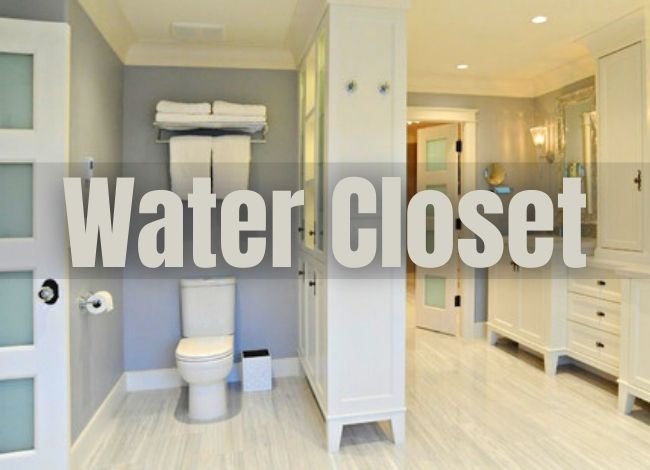
A water closet, usually shortened to WC, is a normal flushing toilet or the small private room containing it. The meaning depends on the context: a plumbing description usually refers to the fixture, while a bathroom plan may label the enclosed toilet area as the WC. “Toilet closet” is sometimes used informally for the same idea.
A water closet does not have to include a bathtub, shower or washbasin. It may stand inside a full bathroom or occupy its own separate compartment. It is also not a special luxury version of a toilet; the name describes its function or location.
In some sanitaryware markets, EWC means European water closet, referring to a seated Western-style toilet. That term distinguishes the seated format from a squatting pan. It does not mean that every WC is European-made or has electronic features.
How does the toilet closet work?
In a conventional tank-type toilet, the water supply hose or a rigid supply tube brings clean water from the shutoff valve to the fill valve. The fill valve opens when the tank water level falls and closes when it reaches the intended setting.
Pressing the flush control opens the flush valve, allowing stored water to enter the bowl. Water carries the waste through the bowl’s curved trapway and into the drainage system. After the flush, the tank and bowl refill. Water left in the trap forms a barrier against sewer gases.
The seals have separate jobs. On a two-piece toilet, the tank-to-bowl gasket seals the connection between those two components. A floor-outlet toilet uses a different wax or wax-free seal at the drain connection beneath the bowl. The tank gasket is not a substitute for that floor seal.
Not every toilet has an exposed tank: some have a concealed cistern or a suitable flushometer supply. There is also no universal 6–8-liter tank capacity. Check the model’s rated liters or gallons per flush; flush volume and the total amount of water held in a tank are different measurements. Many efficient toilets use 1.28 gallons, about 4.8 liters, per flush or less.
What is a closet riser?
“Riser” can refer to several different items around a toilet. A base riser raises the entire fixture, a seat riser raises the sitting surface, and a supply riser carries clean water. They serve different purposes and cannot replace one another.
Toilet-base riser
The riser shown below is a platform installed beneath the toilet base. It raises the whole toilet while allowing the existing seat to remain in use. This can make the sitting height more suitable for some users who find a low toilet difficult to use.
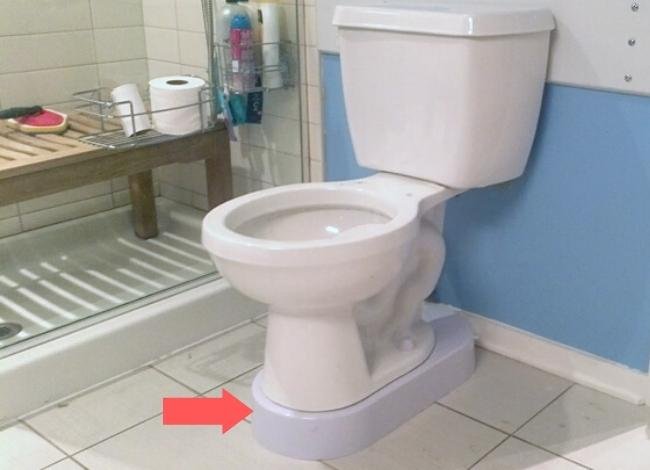
Installing this type requires more than placing a block under the bowl. A compatible kit must accommodate the waste connection, mounting bolts and water supply at the new height. The base footprint and outlet arrangement must match. Follow the kit’s installation instructions and check for movement or leaks afterward; a plumber or experienced installer may be needed.
Seat riser or raised toilet seat
A seat riser increases the sitting height without lifting the toilet bowl or tank. Some fit beneath the original seat with longer bolts; others replace the seat or clamp onto the bowl. The mounting method, added height and weight rating depend on the product.
Choose one that matches the bowl’s shape and provides a secure fit. Check its fasteners or locking mechanism before use. A seat riser does not alter the flushing system or repair a loose toilet base, and adding extra height is not automatically more comfortable for every user.
Plumbing supply riser
In plumbing, a closet riser can also mean the narrow supply tube running from the shutoff valve to the tank’s fill-valve connection. Rigid copper risers, often with a chrome finish, are one example. Flexible water connectors serve the same supply function in many installations.
This supply riser is different from the larger flush pipe between a high-mounted cistern and the bowl. Neither pipe raises the toilet or the seat. When ordering parts, specify whether you need a supply connector, a flush pipe or a height-raising accessory.
What is the toilet closet seat?
The closet seat is the ring-shaped seat fitted above the toilet bowl. It supports the person sitting on the toilet and provides a smoother, more comfortable surface than the ceramic rim. Hinges normally attach it to mounting holes near the back of the bowl, using the appropriate bolts or concealed fixings.
The seat and lid are separate parts, even when supplied as one assembly. The seat is intended for sitting; the lid covers the opening. Neither component makes the ceramic bowl unbreakable or fixes damaged plumbing.
For a replacement, match the round, elongated or other bowl shape, seat dimensions and mounting arrangement. Our guide to round and elongated seat compatibility explains why similar-looking seats do not always fit. Keep the hinges secure, clean the seat as its manufacturer recommends and replace cracked components.
Where do the closet flange and closet bend fit?
A closet flange, also called a toilet flange, connects a floor-outlet toilet to the drain and provides the mounting points for the closet bolts. The seal between the bowl outlet and flange helps contain wastewater and sewer gases. Wall-hung toilets use a different support and connection arrangement.
A closet bend is a drain fitting below a typical floor-outlet toilet that turns the waste flow toward the drainage line. It is separate from the curved trapway built into the ceramic bowl. Neither the flange nor the bend is a seat-height accessory.
A flange spacer or extender is another distinct item: it corrects the flange’s connection height, often after floor changes. It is not the same as a platform designed to raise the entire toilet. For more about the bowl’s own waste passage, see our explanation of the internal toilet trapway.
Choosing parts for a toilet closet
Start with the part’s job and the toilet’s model. For a seat or seat riser, match the bowl shape and fastening system. For a base riser, check the toilet footprint and the required plumbing connections. For a supply riser, match the connector sizes and length. Using the correct name helps you choose the correct part without confusing a seating accessory with a water or drain fitting.

Hi, this is Robert Crossan, the owner of this website, has 17 years of experience in the installation, maintenance, and repair of toilets and plumbing systems. After completing the Level 2 Basic Plumbing course in 2005, I started working in both domestic and commercial buildings as a professional plumber. So I can figure out the core difference between different toilet models and brands. It also helped me monitor their work performance and setbacks.