The toilet is one of the most important fixtures in our daily lives. But have you ever wondered what material your toilet is made of? Most residential toilets are made from porcelain or vitreous china, both of which belong to the ceramic family.
When comparing a ceramic vs porcelain toilet, many homeowners get confused because the two materials look almost identical. Both can have a smooth, glossy surface, and both are commonly associated with bathroom fixtures.
However, there are differences in how ceramic materials are manufactured, their density, and how well they resist moisture. These details matter when choosing a toilet that will last for years.
A toilet needs to withstand regular flushing, cleaning products, and constant contact with water. A properly glazed surface also makes cleaning easier and helps prevent stains. If you’re dealing with mineral buildup, our guide on removing hard water stains from a toilet explains how to handle them.
Let’s compare ceramic and porcelain toilets to find out which material is more durable, easier to clean, and worth buying.
Ceramic vs Porcelain Toilet: Quick Comparison
Before discussing the details, here’s a simple comparison of these toilet materials.
| Feature | Ceramic | Porcelain |
|---|---|---|
| Material | Broad category of fired clay-based materials | A specific type of ceramic |
| Density | Varies by formulation and firing process | Typically dense and highly vitrified |
| Water Resistance | Depends on body and glaze | Generally excellent |
| Durability | Can be very durable | Typically strong and long-lasting |
| Cleaning | Easy with a smooth glaze | Easy with a smooth glaze |
| Stain Resistance | Depends on surface finish | Usually excellent with intact glaze |
| Price | Depends on toilet model | Depends on toilet model |
| Common Toilet Construction | Includes vitreous china products | Commonly used for residential toilets |
Quick answer: A high-quality glazed porcelain or vitreous china toilet is an excellent choice for most bathrooms. However, the quality of the glaze, manufacturing, and toilet design matters more than the material name alone.
For easy cleaning: Check TOTO Toilet With CEFIONTECT Glaze
For a traditional porcelain toilet: View Toilet Details
Why Are Ceramic and Porcelain Used to Make Toilets?
Toilets need materials that can handle water, frequent use, and regular cleaning without deteriorating quickly.
That’s why ceramic materials have been used in bathroom fixtures for such a long time.
When properly manufactured and glazed, they offer several advantages:
- Water resistance: A suitable glaze helps prevent moisture from penetrating the surface.
- Easy cleaning: Smooth surfaces make it easier to remove dirt and waste.
- Durability: Quality ceramic fixtures can provide many years of service.
- Stain resistance: An intact glaze helps prevent stains from penetrating the surface.
- Appearance: Ceramic materials can be finished in different colors and styles.
Another advantage is that ceramic fixtures don’t rust like metal. However, they can still crack or chip if struck by a heavy object.
What Is a Porcelain Toilet?
Porcelain is a type of ceramic made from refined clay and other minerals, commonly including kaolin, feldspar, and silica.
During manufacturing, these ingredients are shaped and fired at high temperatures. The process creates a dense, hard material with relatively low water absorption.

Most porcelain toilets also have a glass-like glaze that creates a smooth, water-resistant surface.
This combination of a dense body and protective glaze makes porcelain suitable for toilet bowls, sinks, and other plumbing fixtures.
Its main advantages include long-lasting performance, easy maintenance, and good resistance to everyday staining.
What Is a Ceramic Toilet?
Ceramic is a broad term for materials made from clay and other inorganic ingredients that are hardened through firing.
Porcelain belongs to this category, which means every porcelain toilet is ceramic, but not every ceramic product is porcelain.
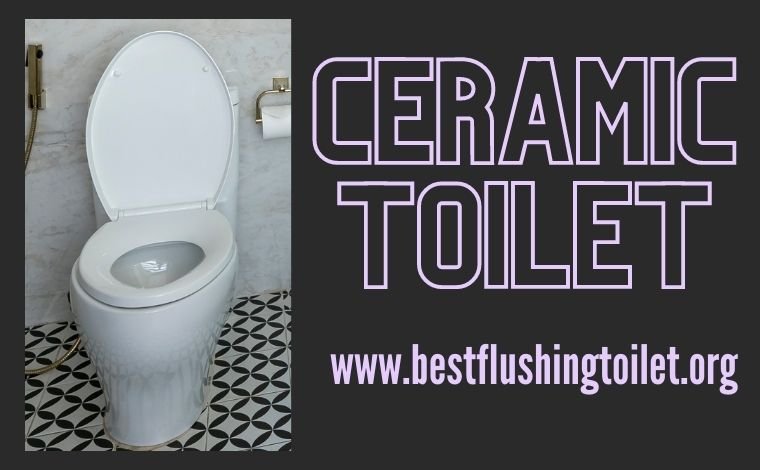
Different ceramic products can have different levels of density, hardness, and water absorption.
For example, ordinary earthenware may be more porous than porcelain. However, modern sanitary ceramics are specifically manufactured and glazed to handle bathroom conditions.
So, it wouldn’t be accurate to say that all ceramic toilets are fragile or less durable than porcelain toilets.
A well-made ceramic toilet can provide excellent service for many years.
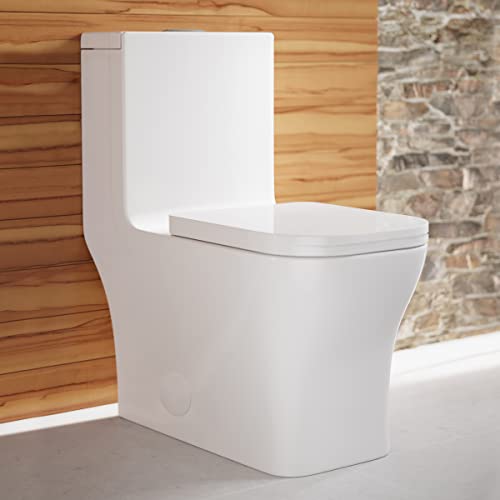
Ceramic vs Porcelain Toilet: Which Is Better?
Now that you understand the materials, let’s compare a ceramic vs porcelain toilet based on the features that matter most during everyday use.
1. Durability
Porcelain is known for its dense structure and strong surface. When properly manufactured, it can withstand years of regular bathroom use.
However, durability doesn’t depend on the material alone.
The quality of manufacturing, glaze, installation, and maintenance also affects how long a toilet lasts.
A poorly manufactured porcelain toilet can develop problems, while a high-quality glazed ceramic toilet may remain in excellent condition for decades.
Verdict: Dense porcelain and vitreous china are reliable choices, but manufacturing quality matters more than the label.
2. Water Resistance and Porosity
Porosity refers to how easily a material can absorb water.
Porcelain generally has low water absorption because of its dense, vitrified structure.
Some other ceramic bodies are more porous, but sanitary fixtures are usually protected with a fired glaze.
This glaze helps keep water and stains from penetrating the surface.
Verdict: Porcelain offers excellent water resistance, while properly glazed sanitary ceramics are also suitable for bathroom use.
3. Ease of Cleaning
Both materials are easy to clean when their glazed surfaces remain smooth and undamaged.
A smooth glaze prevents much of the dirt from penetrating the toilet surface, allowing it to be removed with a suitable toilet cleaner and brush.
Some manufacturers also offer specialized coatings designed to reduce waste adhesion.
For example, TOTO’s CEFIONTECT glaze is designed to create an exceptionally smooth surface.
If you’re unsure which cleaning methods to use, see our guide on how to clean a toilet properly.

Verdict: Both are easy to maintain. The quality of the glaze often makes the biggest difference.
4. Stain and Scratch Resistance
Porcelain and other glazed sanitary ceramics generally resist everyday stains well.
However, neither material is completely scratch-proof.
Harsh abrasives, metal tools, and unsuitable cleaning products can damage the glaze.
Once the surface becomes scratched or worn, mineral deposits and dirt may become harder to remove.
That’s why I recommend using a nonabrasive toilet brush and cleaners approved by the manufacturer.
Verdict: Both can resist stains and scratches well when the glaze is high quality and properly maintained.
5. Price and Value
You might expect porcelain toilets to cost more than ceramic toilets, but the difference isn’t that simple.
Because porcelain is a ceramic material, manufacturers don’t always separate these products into distinct price categories.
Toilet prices depend on several factors:
- Brand and manufacturing quality.
- One-piece or two-piece construction.
- Flushing technology and water consumption.
- Surface coating and glaze quality.
- Bowl shape, height, and included accessories.
Verdict: Compare complete toilet models rather than choosing based only on the words ceramic or porcelain.
What About Vitreous China Toilets?
While researching toilet materials, you’ll probably come across another term: vitreous china.
Vitreous china is a type of glazed ceramic sanitaryware commonly used for toilets and sinks.
Its ceramic body and fired glass-like finish are designed to provide a smooth, durable, water-resistant surface.
In the toilet industry, the terms porcelain and vitreous china are often used for closely related sanitaryware materials.
Vitreous china shouldn’t be viewed as an entirely unrelated third material. It belongs to the same ceramic family.
For a more detailed explanation, read our vitreous china, ceramic, and porcelain comparison.
How to Choose the Right Toilet Material
Choosing a toilet is about more than finding the hardest or smoothest material.
Here are a few things I suggest checking before buying.
Check the Surface Finish
Look for a smooth, evenly glazed surface without visible cracks, chips, or manufacturing defects.
A quality glaze makes everyday cleaning easier and helps protect the ceramic body.
Consider the Flushing System
A durable toilet won’t be much help if it clogs frequently or struggles to remove waste.
Compare the flushing design, gallons per flush, trapway configuration, and available performance information.
Choose the Right Bowl Size
Round bowls take up less space, while elongated bowls generally provide more seating room.
Also check the rough-in distance, toilet height, and available bathroom space.
Think About Maintenance
Some toilets have simple exposed trapways, while others feature smooth, skirted designs that are easier to wipe around.
Choose a design that matches your cleaning preferences and bathroom layout.
The material matters, but these practical features can make a bigger difference in daily use.
Frequently Asked Questions
1. Is a porcelain toilet better than a ceramic toilet?
Porcelain is a type of ceramic, so the comparison isn’t between two completely separate materials. High-quality porcelain and vitreous china toilets both offer excellent durability, water resistance, and easy cleaning.
2. How can I tell whether my toilet is ceramic or porcelain?
You generally cannot identify the exact material just by looking at its shine or color. Check the manufacturer’s specifications, product description, or model number for reliable information.
3. Do ceramic toilets scratch easily?
Not necessarily. A properly glazed ceramic toilet can resist everyday scratching. However, abrasive cleaning tools and harsh products may damage the finish over time.
4. Why are most toilets white?
White is a popular toilet color because it has a clean, familiar appearance, matches many bathroom designs, and makes dirt or stains easier to notice. Ceramic toilets can also be manufactured in other colors.
5. Are vitreous china and porcelain toilets the same?
They are closely related ceramic sanitaryware materials, and the terms sometimes overlap in product descriptions. Vitreous china generally refers to dense, glazed ceramic fixtures designed for plumbing applications.
6. How long does a porcelain or ceramic toilet last?
A well-manufactured and properly installed ceramic toilet can last for decades. Its actual lifespan depends on the quality of the fixture, maintenance, accidental damage, and plumbing conditions.
Final Thoughts: Porcelain or Ceramic Toilet?
So, which is better in the ceramic vs porcelain toilet comparison?
For most homeowners, a high-quality glazed porcelain or vitreous china toilet is an excellent option. These materials provide the water resistance, durability, and smooth finish needed for regular bathroom use.
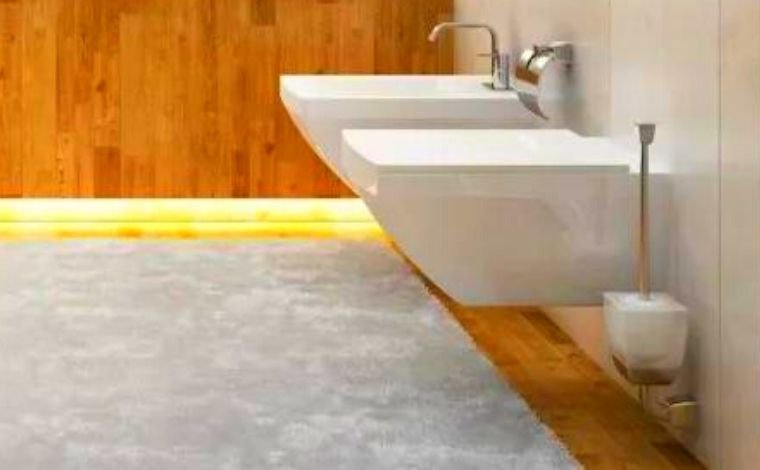
However, don’t choose a toilet based on material alone. Flushing performance, bowl comfort, glaze quality, and ease of maintenance are equally important.
If two toilets have similar features and build quality, either can be a good long-term purchase.
My suggestion is simple: Choose a reputable toilet with a durable glazed finish, reliable flushing performance, and dimensions that fit your bathroom. That’s more useful than worrying about whether the label says ceramic or porcelain.

Hi, this is Robert Crossan, the owner of this website, has 17 years of experience in the installation, maintenance, and repair of toilets and plumbing systems. After completing the Level 2 Basic Plumbing course in 2005, I started working in both domestic and commercial buildings as a professional plumber. So I can figure out the core difference between different toilet models and brands. It also helped me monitor their work performance and setbacks.
None, Onboard.
Crap integrated.