A bathroom can look perfectly clean and still have an unpleasant smell. This can be frustrating, especially when you’ve already scrubbed the toilet and used an air freshener, but the odor keeps returning.
So, why does my toilet smell bad? Common reasons include urine buildup, bacteria, a dry drain trap, a damaged wax ring, poor ventilation, or a problem with the sewer line.
Sometimes the smell is easy to fix with regular cleaning. Other times, it indicates a plumbing problem that shouldn’t be ignored.
The important thing is to identify where the odor comes from instead of simply covering it with fragrance.
In this guide, I’ll explain the most common causes of toilet odors, what different smells may indicate, and how to get rid of them safely.
Why Does My Toilet Smell Bad? Common Causes
Toilet odors can come from the bowl, the floor around the base, a nearby drain, or the plumbing system itself. The type of smell may help narrow down the cause, although odors alone cannot confirm a diagnosis.
| Type of Smell | Possible Causes | First Thing to Check |
|---|---|---|
| Sewage | Dry trap, failed toilet seal, drain or vent problem | Nearby drains and toilet base |
| Urine or Ammonia | Urine residue, dirty hinges, floor contamination | Seat, hinges and floor |
| Poop | Waste residue, poor flushing or drain problems | Bowl, rim and flush performance |
| Rotten Eggs | Possible hydrogen sulfide or water-related odor | Water supply and drains |
| Fishy or Burning | Organic contamination or overheated electrical parts | Electrical safety first |
| Musty | Moisture, mold or hidden water leakage | Walls, floor and ventilation |
1. A Clogged Drainpipe
A blocked toilet or nearby drain can cause unpleasant odors, particularly when waste or organic debris remains trapped in the pipe.
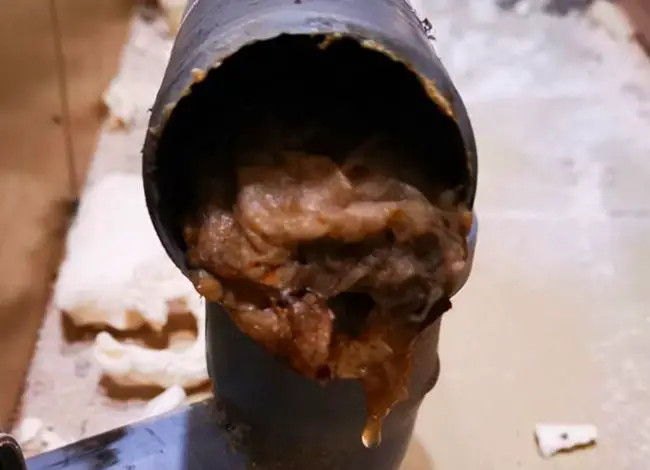
Look for slow drainage, gurgling sounds, or wastewater backing up into another fixture.
Fix: Use a suitable toilet plunger for a toilet clog or a drain-cleaning tool designed for the affected fixture. Avoid ordinary chemical drain openers in a clogged toilet.
If multiple drains are affected, contact a plumber because the blockage may be farther down the drainage system.
2. Incorrect Tank Water Level
A low tank water level can weaken flushing and leave waste behind. A faulty fill valve or incorrectly adjusted float may be responsible.
However, the tank water level itself is not usually the direct cause of a sewage smell.
Fix: Check the manufacturer’s recommended fill level and inspect the fill valve. Our toilet tank water-level guide explains what to check.
3. A Dry Drain Trap
A plumbing trap holds water to block sewer gases from entering your bathroom.
If a sink, shower, or floor drain hasn’t been used for a long time, the water in its trap can evaporate, allowing odors to escape.
A toilet also has a built-in trapway and water seal, so a nearby unused drain is often worth checking first.
Fix: Run water into infrequently used drains to restore their water seals. Flush an unused toilet to replenish the bowl water.
If the smell returns quickly or the water level keeps disappearing, a leak, siphoning problem, or venting issue may need professional attention.
4. Mold and Bacteria Buildup
Bacteria and organic residue can accumulate beneath the toilet rim, around the seat hinges, and along the floor.
Persistent dampness may also encourage mold growth on nearby walls, grout, or cabinets.
Fix: Clean the bowl, under-rim area, seat attachments, and surrounding floor using products approved for those surfaces. Repair leaks and improve ventilation.
For dark stains, see our guide to black discoloration and mold-like buildup in a toilet bowl.
5. A Blocked or Damaged Plumbing Vent
Your plumbing vent helps regulate pressure within the drainage system. A blockage or damaged connection can contribute to gurgling, slow drainage, and problems with water seals.
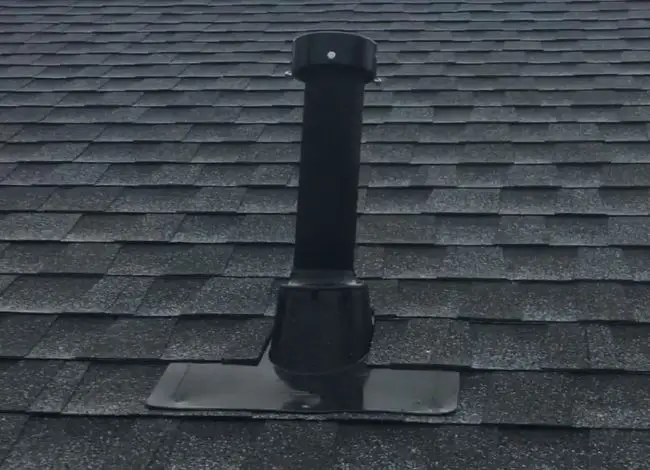
Leaves, debris, or bird nests can sometimes obstruct a roof vent. Incorrect plumbing installation can cause similar symptoms.
Fix: If the drains gurgle or water disappears from traps, have the venting system inspected. Avoid climbing onto the roof without appropriate training and safety equipment.
You can read more about blocked roof plumbing vents.
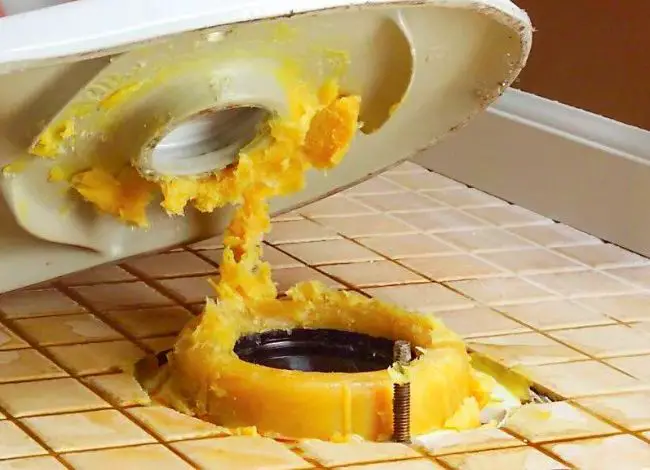
6. A Damaged Wax Ring or Toilet Flange
The wax ring or compatible seal beneath a conventional toilet prevents wastewater and sewer gases from escaping around the drain connection.
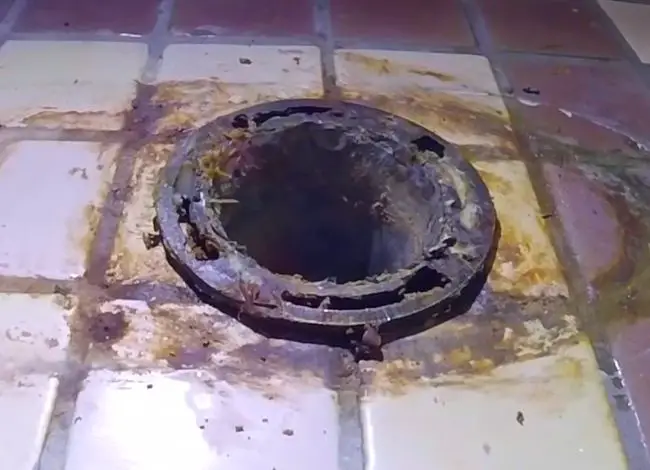
If the seal fails, you may notice a sewage smell near the toilet base. Water stains, rocking, or damp flooring are additional warning signs.
Fix: Inspect the toilet’s stability and look for moisture. A damaged seal generally requires removing the toilet and installing a new seal. Any broken flange or damaged flooring should be repaired first.
Our toilet wax ring guide explains the component in more detail.
7. A Sewer or Septic-System Problem
A blocked main drain or malfunctioning septic system may allow sewage odors to enter the bathroom.
Warning signs include multiple slow drains, wastewater backups, repeated gurgling, and odors that don’t improve after cleaning.
Fix: Stop using affected fixtures if wastewater is backing up, and arrange a professional inspection.
Never enter a septic tank or sewer chamber, and don’t rely on drain additives to correct a full or failing septic system.
8. Poor Bathroom Ventilation
A bathroom without adequate ventilation can stay damp after showers, making odors linger and encouraging mold growth.
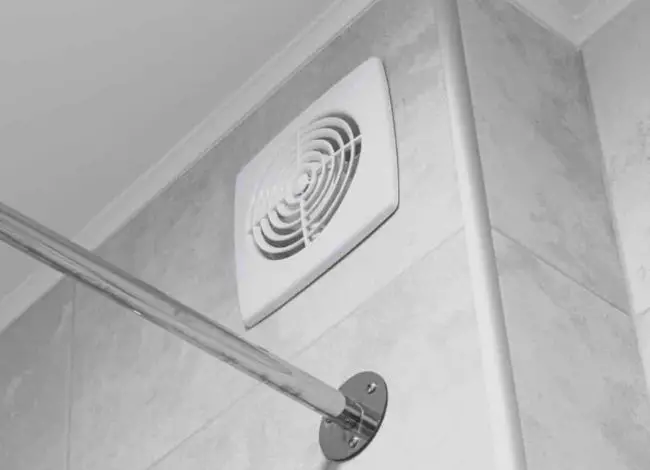
Fix: Use a properly vented bathroom exhaust fan and repair persistent condensation or leaks. An exhaust fan should discharge outdoors rather than into an enclosed attic or wall cavity.
Remember that a bathroom exhaust fan and a plumbing vent pipe serve different purposes.
Different Types of Toilet Smells and Their Solutions
If you’re still wondering, “Why does my toilet smell bad even after cleaning?” identifying the particular odor and where it’s strongest can help.
Why Does My Toilet Smell Like Urine?
Urine can collect around seat hinges, underneath the toilet seat, on the floor, and along grout lines. Over time, residue can produce an ammonia-like odor.
Fix: Remove the seat if its mounting system allows it, clean the hinges and surrounding areas, and wipe the floor using a surface-compatible cleaner.
If the smell comes from the base and there is moisture or movement, investigate the wax ring rather than assuming it’s only urine residue.
See our urine smell troubleshooting guide for more details.
Why Does My Toilet Smell Like Sewage?
A sewage smell can indicate a missing water seal, a leaking toilet connection, or another drainage problem.
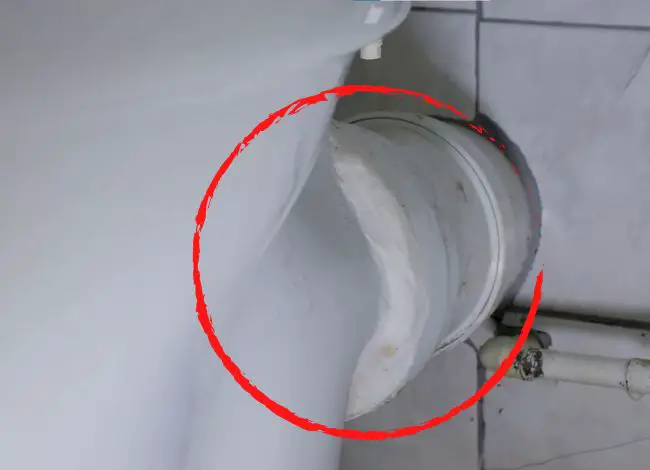
Check unused sink, shower, and floor drains. Make sure water remains in their traps.
If the odor is strongest at the toilet base, inspect for a loose toilet or damaged seal. Persistent sewage smells require plumbing attention, especially when accompanied by backups.
Why Does My Toilet Smell Like Rotten Eggs or Sulfur?
A rotten-egg smell may be associated with hydrogen sulfide, which can occur in certain sewer-gas or water-system conditions.
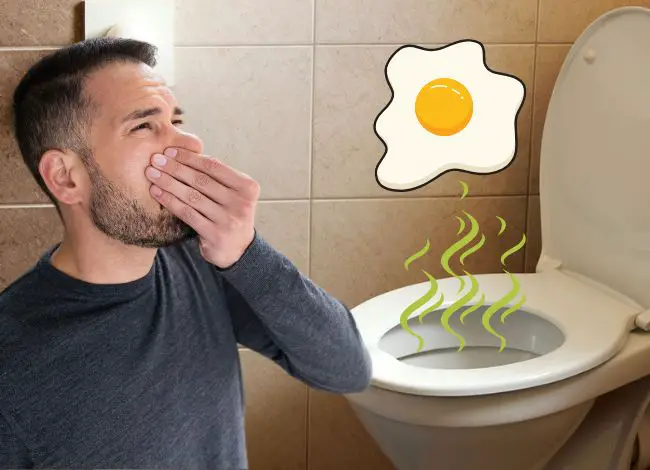
Try to determine whether the odor comes from the drain or from water flowing out of a faucet. If only hot water smells, the water heater may need inspection.
If a strong sewage or rotten-egg smell appears suddenly, leave the affected area and arrange appropriate professional help. Don’t deliberately sniff drains or enclosed plumbing areas to identify gases.
Read our rotten-egg toilet odor guide for additional troubleshooting.
Why Does My Toilet Smell Fishy?
A fishy odor may come from waste contamination or another source, but it can also be associated with overheating electrical components.
Fix: If the smell seems to come from an outlet, light fitting, exhaust fan, or electrical appliance, stop using the affected equipment and seek an electrician’s help.
Do not assume that a fishy or burning odor is simply sewer gas.
Why Does My Bathroom Smell Musty?
A musty smell often indicates moisture trapped in grout, walls, cabinets, or flooring.
Check for leaks around the toilet, sink, and shower. Clean small surface deposits using an appropriate product and dry the area thoroughly.
Repeated mold growth, widespread damage, or wet wall materials may require professional remediation.
Why Does My Toilet Smell Like Poop?
A lingering poop smell may be caused by waste residue beneath the rim, inadequate flushing, a dirty toilet brush, or a drainage issue.
Fix: Clean the bowl thoroughly, including under the rim. Check the tank water level if the flush is weak. If the toilet repeatedly clogs or smells of sewage, investigate the drain and toilet seal.
Effective Remedies: How to Get Rid of Toilet Odor
Once you’ve identified the likely source, choose a cleaning or repair method that addresses the cause rather than temporarily masking it.
1. Clean the Toilet Thoroughly
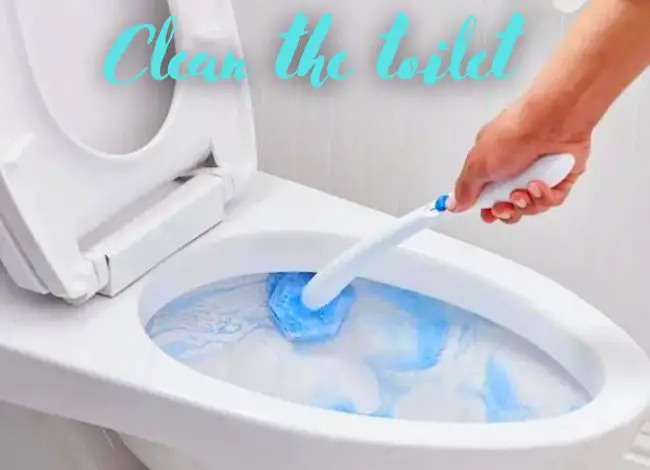
Clean the bowl, seat, lid, hinges, and exterior using suitable bathroom-cleaning products. Pay extra attention to the floor around the toilet and hard-to-reach areas beneath the rim.
Let the cleaner work for the time stated on its label, then rinse or wipe as directed.
For a complete routine, see our toilet cleaning instructions.
2. Use Baking Soda or Vinegar Carefully
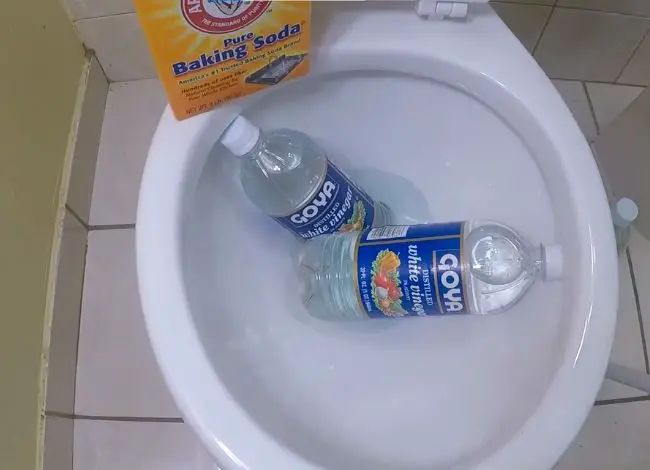
Baking soda may help absorb mild odors, while diluted vinegar can help with certain mineral deposits on compatible surfaces.
However, combining them creates a fizzing reaction that isn’t a reliable method for removing clogs, disinfecting a toilet, or fixing sewer-gas leaks.
Never use vinegar together with bleach or immediately after a bleach-containing cleaner without thoroughly rinsing according to the product directions.
3. Consider Hydrogen Peroxide for Compatible Surfaces
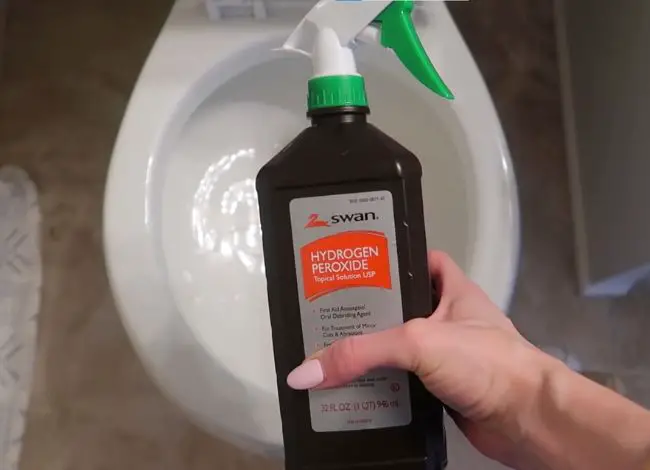
Some household hydrogen peroxide products can be used for cleaning approved surfaces when their labels permit it.
Check the product instructions first, wear suitable protection, and never mix hydrogen peroxide with vinegar, bleach, or other cleaners.
Hydrogen peroxide won’t fix a damaged wax ring, blocked vent, or main sewer problem.
4. Avoid DIY Cleaner Bottles in the Toilet Tank
A popular online trick involves piercing a bottle of household cleaner and placing it inside the toilet tank.
This is not a good idea. The bottle can interfere with the flushing mechanism, and the product may damage seals or other internal components.
Use only cleaning products and in-tank treatments approved by your toilet manufacturer.
5. Use Fragrance Only After Fixing the Cause
An air freshener or mild fragrance can make the bathroom more pleasant, but it does not remove urine residue, mold, or sewer gases.
Essential oils are also not substitutes for proper cleaning, and some can irritate sensitive users or damage certain surfaces.
Find and correct the source before adding fragrance.
6. Improve Ventilation and Control Moisture
Run the exhaust fan during showers and allow it to continue operating afterward to reduce humidity.
Dry wet surfaces, repair leaks, and keep the fan grille clean. If the exhaust system isn’t working correctly, have it inspected.
7. Use an Air Freshener for Occasional Odors
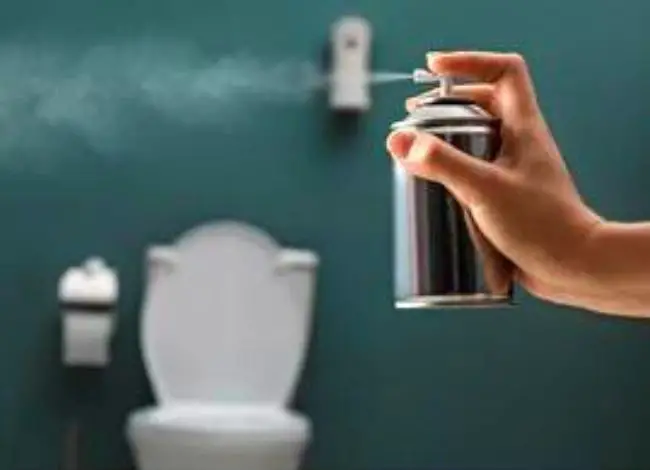
Air fresheners can help with ordinary short-lived bathroom smells. Choose a product suitable for indoor use and follow the label.
If the odor returns immediately, you may be dealing with a cleaning, plumbing, moisture, or ventilation issue.
When Should You Call a Plumber?
Some toilet odors need professional attention rather than additional cleaning.
Contact a plumber if the smell repeatedly returns, the toilet rocks, wastewater leaks around the base, several drains gurgle, or sewage backs up into the bathroom.
Likewise, persistent sewer-gas odors after restoring drain water seals may indicate a broken connection or vent problem.
Final Thoughts: Why Does My Toilet Smell Bad?
If you’re asking, why does my toilet smell bad, start by identifying the odor’s location and whether it appears only after flushing or remains all day.
Urine residue and surface grime often improve with careful cleaning. Musty smells may require moisture control. Sewage odors, especially those accompanied by leaks or drain problems, deserve a closer inspection.
Don’t depend on fragrances or harsh chemicals to cover an ongoing plumbing problem. Keeping the bathroom clean, maintaining the water seals, and repairing leaks will usually provide a more lasting solution.
Frequently Asked Questions About Smelly Toilets
1. Why does my toilet smell bad even after cleaning?
The smell may come from urine beneath seat hinges, a nearby dry drain trap, a failed wax ring, or a plumbing vent issue. Cleaning the visible bowl won’t fix these underlying problems.
2. What is the quickest remedy for a smelly toilet?
Clean the bowl, seat hinges, and surrounding floor with an appropriate product. Then check nearby drain water seals and improve ventilation. If the odor is sewage-like, investigate the plumbing rather than masking it.
3. Why does the smell get worse near the toilet base?
A damaged wax ring or loose toilet may allow sewer gases or wastewater to escape. Look for rocking, moisture, or staining around the base.
4. Why does my bathroom smell like sewage after being unused?
Water may have evaporated from a seldom-used sink, shower, or floor drain trap. Run water into the affected drains to restore their water seals.
5. Can vinegar and baking soda remove toilet odors?
They may help with limited surface-cleaning tasks, but they won’t reliably remove solid clogs or fix plumbing-related odors. Never combine vinegar with bleach.
6. When should I call a plumber for toilet odor?
Call when sewage smells persist, drains repeatedly back up, several fixtures gurgle, or the toilet leaks or rocks. These symptoms may indicate a damaged seal, blockage, or vent problem.

Hi, this is Robert Crossan, the owner of this website, has 17 years of experience in the installation, maintenance, and repair of toilets and plumbing systems. After completing the Level 2 Basic Plumbing course in 2005, I started working in both domestic and commercial buildings as a professional plumber. So I can figure out the core difference between different toilet models and brands. It also helped me monitor their work performance and setbacks.