But with so many options, finding the right toilet for your home or office can be confusing. Some models look attractive but are difficult to clean. Others are affordable but may not provide the comfort or flushing performance you need.
That’s why it’s important to understand what to consider when buying a toilet before spending your money.
A good toilet should be comfortable, durable, easy to maintain, and compatible with your bathroom’s plumbing. In this guide, I’ll explain ten important things to consider when buying a new toilet in 2026.
10 Things to Consider When Buying a New Toilet in 2026
Before choosing a toilet, compare the features that matter most for everyday use.
| Feature | What to Check |
|---|---|
| Height | Standard or chair-height seating |
| Seat | Round, elongated, soft-close, or bidet |
| Structure | One-piece or two-piece construction |
| Bowl Design | Round, elongated, or compact elongated |
| Trapway | Exposed or skirted; internal passage size |
| Water Use | GPF rating and WaterSense certification |
| Flush Control | Handle, button, or automatic sensor |
| Rough-In | Commonly 10, 12, or 14 inches |
| Flushing Power | System design and tested performance |
| Overall Cost | Price, installation, warranty, and repairs |
1. Different Types of Toilets
Toilet manufacturers offer several designs. Your choice should depend on bathroom space, plumbing, appearance, and maintenance requirements.
Two-Piece Toilets
Two-piece toilets have separate tanks and bowls that are joined during installation. They are widely available and often cost less than comparable one-piece models.
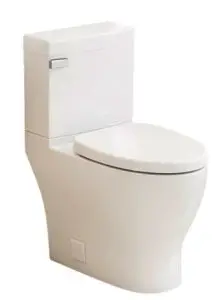
The separate components are easier to carry, although the tank-to-bowl joint requires cleaning and may need maintenance.
Explore our two-piece toilet recommendations, or compare the TOTO Drake II and American Standard ActiClean.
One-Piece Toilets
A one-piece toilet has an integrated tank and bowl. Its smooth design eliminates the exposed tank-to-bowl joint, making exterior cleaning easier.
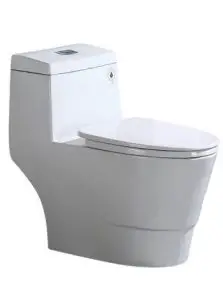
However, these toilets are often heavier and may cost more. For examples, see our TOTO UltraMax II review and WOODBRIDGE one-piece toilet guide.
Washdown Toilets
Washdown toilets use incoming water to push waste through the outlet, generally without relying on the strong siphonic action found in many North American toilets.
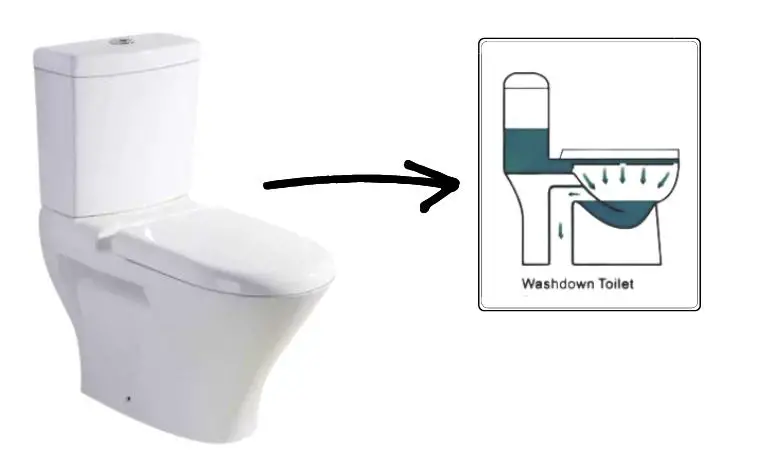
Some have shorter, more open waste passages. However, their clog resistance and water efficiency depend on the actual model.
High-Tank Toilets
High-tank toilets have a cistern mounted above the bowl, usually connected by a visible flush pipe.
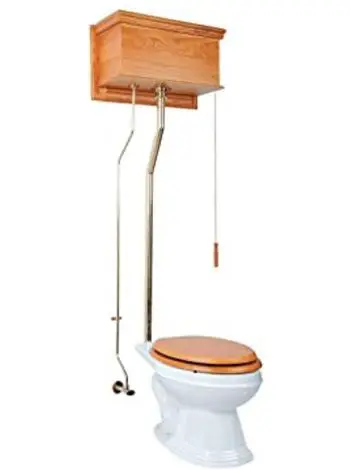
They suit traditional bathroom designs but may require additional wall support and specialized components.
Wall-Hung Toilets
Wall-hung toilets use a concealed carrier system to support the bowl above the bathroom floor.
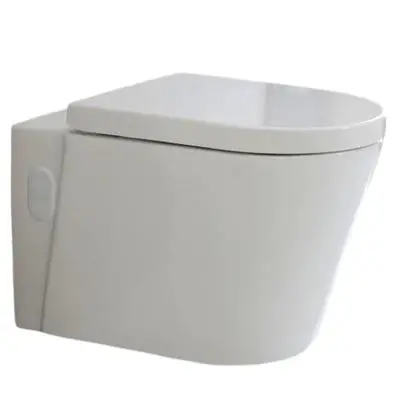
They’re attractive and make floor cleaning easier, but installation can be more expensive. Our Swiss Madison toilet review covers related options.
For smart bathroom features, you can also compare the Kohler Veil intelligent toilet. Remember that different Veil models have different mounting arrangements.
2. Different Toilet Flushing Systems
Flushing performance is among the most important things to consider when buying a toilet. The right mechanism should remove waste efficiently without frequent second flushes.
Gravity-Flush Toilets
Gravity toilets release water from the tank into the bowl. The water movement helps carry waste through the trapway and drain.
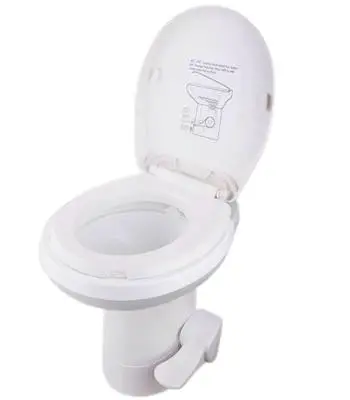
These toilets are common, generally quieter than pressure-assisted models, and relatively straightforward to repair.
Pressure-Assisted Toilets
Pressure-assisted models contain a sealed pressure vessel. Incoming water compresses air, helping create a rapid, forceful flush.
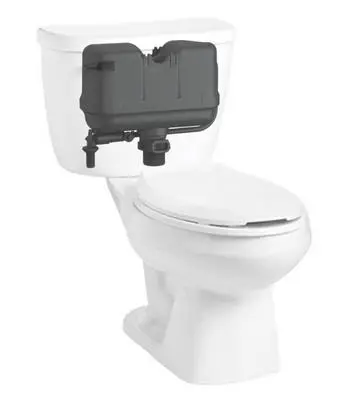
They can offer strong waste removal but may be louder and require specialized replacement parts. See our pressure-assisted toilet comparison.
Tankless Toilets
Tankless toilets lack a conventional exposed tank. Some use a direct water supply; others use electrically controlled flushing.
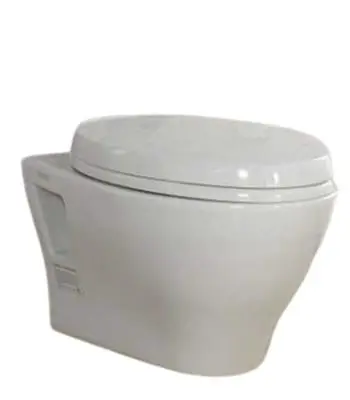
A toilet with a concealed tank is not necessarily tankless. Compare the actual requirements in our tankless toilet buying guide.
Dual-Flush Toilets
Dual-flush toilets provide a smaller flush for liquid waste and a larger flush for solid waste.
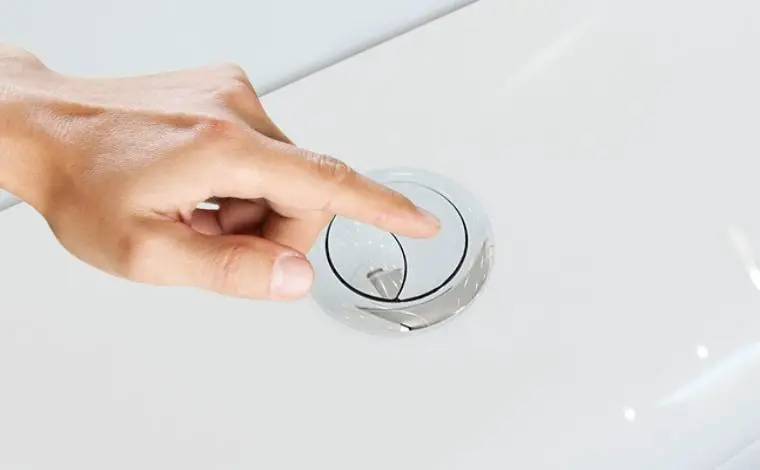
They can reduce water consumption, but the actual savings depend on the flush volumes and how they’re used. Compare models in our dual-flush buying recommendations.
3. Toilet Installation Types
Before purchasing, confirm that the toilet matches your bathroom’s drainage and water supply connections.
Floor-Mounted Toilet Installation
A conventional floor-mounted toilet connects to a closet flange and is sealed with a wax ring or compatible wax-free seal.
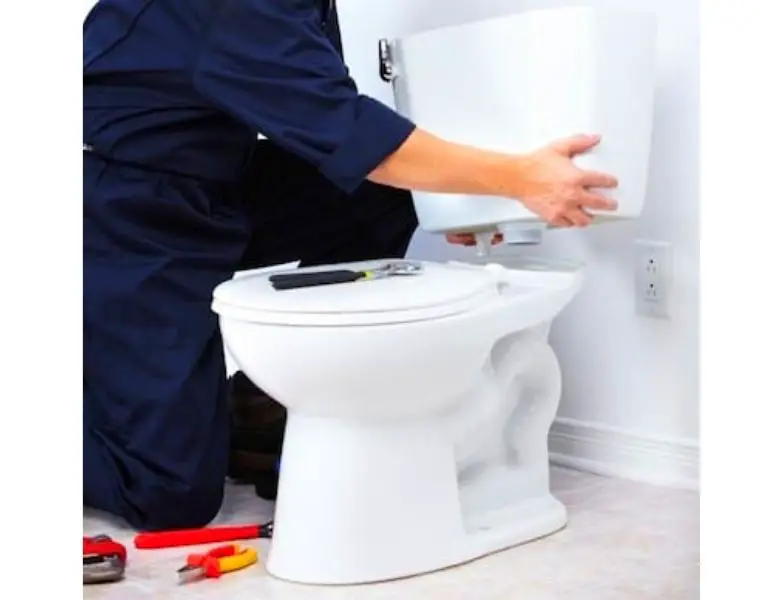
The installation includes securing the bowl, connecting the water supply, and checking for leaks. Two-piece models also require a separate tank connection. Avoid overtightening ceramic mounting bolts.
Wall-Mounted Toilet Installation
Wall-hung toilets require an approved carrier, suitable framing, and properly aligned flushing and drainage connections.
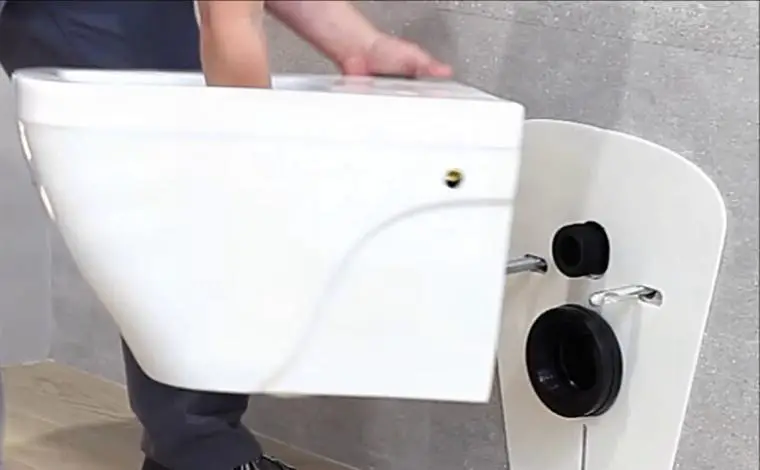
Because the installation involves structural support and concealed plumbing, professional assistance is often worthwhile.
Incinerating Toilet Installation
Incinerating toilets use heat to reduce human waste to ash instead of carrying it through a conventional drain.
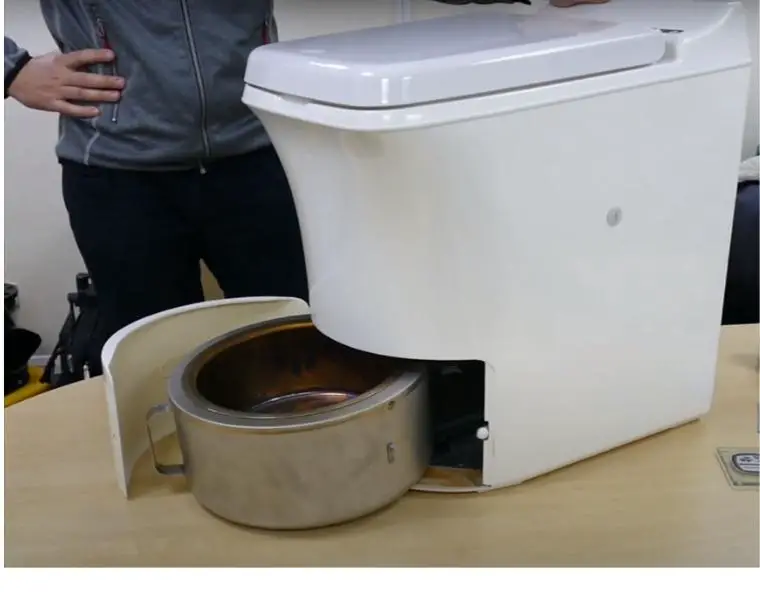
They may be suitable for remote locations, but ventilation, electricity or fuel requirements, and installation clearances are model-specific.
Never assume every incinerating toilet uses the same vent pipe or electrical circuit. Read our incinerating toilet guide before choosing one.
4. Toilet Seat Shape and Height
Seat shape and height can significantly affect everyday comfort.
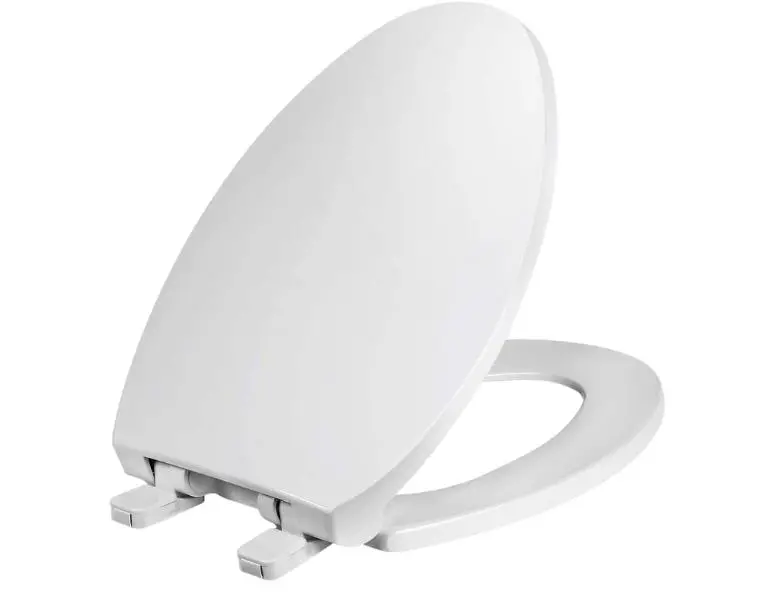
Elongated Toilet Seats
Elongated bowls provide a longer seating surface. Many adults find them comfortable, but they generally extend farther into the room.
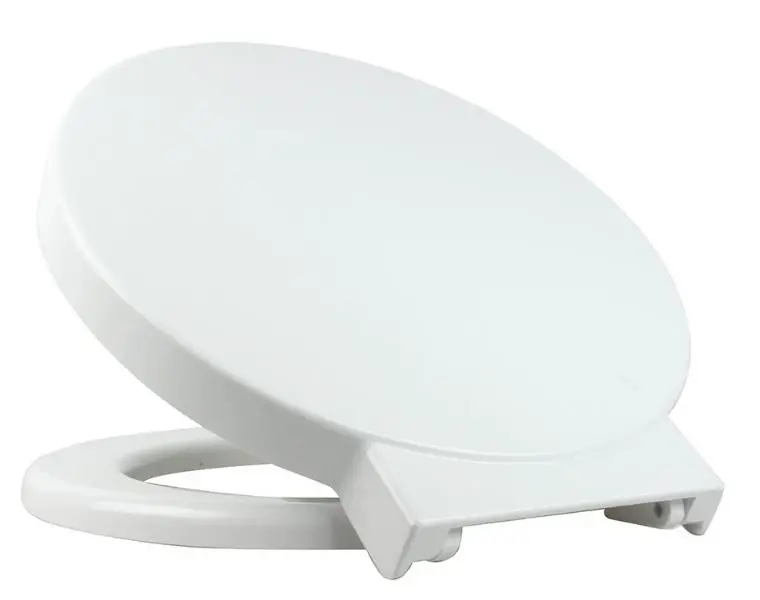
Round Toilet Seats
Round-front bowls are generally shorter and can be useful where bathroom space or door clearance is limited.
See our toilet seat selection guide for more details.
Standard Height vs. Chair Height
Standard-height toilet bowls commonly have rims around 14–15 inches. Chair-height designs have taller bowls, although the seat increases the finished height.
For installations subject to the general ADA toilet requirements, seat height is typically 17–19 inches above the finished floor, with applicable exceptions.
Choose a height that suits your household. Taller isn’t automatically better for children or shorter adults.
5. Toilet Rough-In Measurements
The rough-in is the distance from the finished wall behind a floor-outlet toilet to the center of the drain or closet bolts.
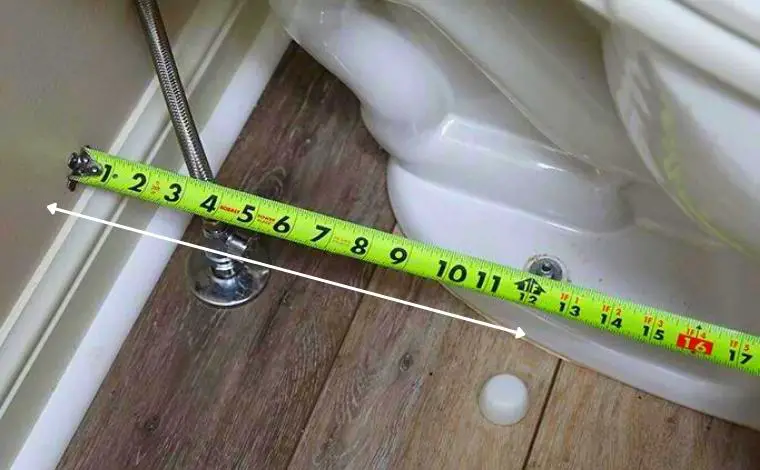
Common measurements include 10, 12, and 14 inches. Twelve inches is widely used in US homes, but the replacement toilet must match your actual plumbing.
Follow our toilet rough-in measuring instructions before ordering.
6. Toilet Materials and Durability
Most conventional residential toilets are made from glazed ceramic materials such as vitreous china.
Vitreous China: A ceramic body with a smooth, durable glaze. It resists ordinary moisture and makes cleaning easier.
Porcelain: Another term associated with ceramic plumbing fixtures. Porcelain and vitreous china are not necessarily separate quality categories.
Special Finishes: Some manufacturers offer coatings intended to reduce staining and mineral buildup.
No surface is completely maintenance-free. Our toilet material comparison explains the differences.
7. Toilet Color and Exterior Design
White remains a practical toilet color because it works with many bathroom styles, but other finishes are available.
You can choose traditional exposed-trapway toilets or skirted models with smooth sides. Skirted exteriors are generally easier to wipe down, while exposed designs may provide easier access to mounting bolts.
Consider appearance after checking fit, performance, and maintenance requirements.
8. Toilet Trapway Types
The trapway is the curved passage that carries waste from the bowl to the drain and maintains a water seal against sewer odors.
S-Shaped Trapway
Many conventional floor-outlet toilets have an S-shaped internal passage.
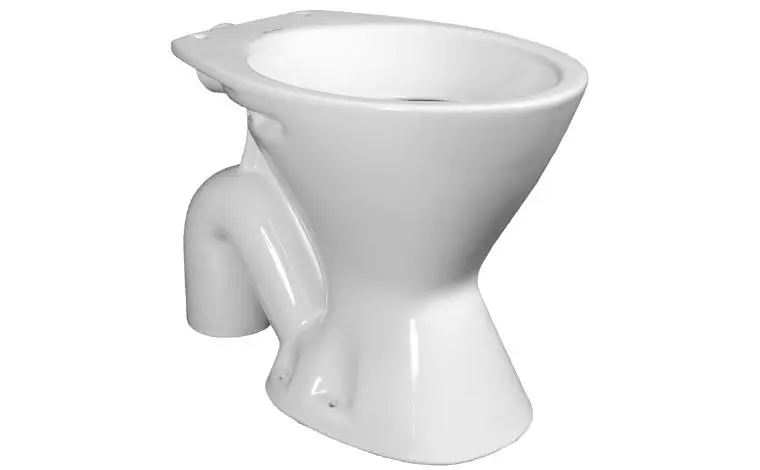
During flushing, waste travels through the passage into the floor drain.
P-Shaped Trapway
Some rear-outlet toilets use a passage associated with a P-shaped configuration.
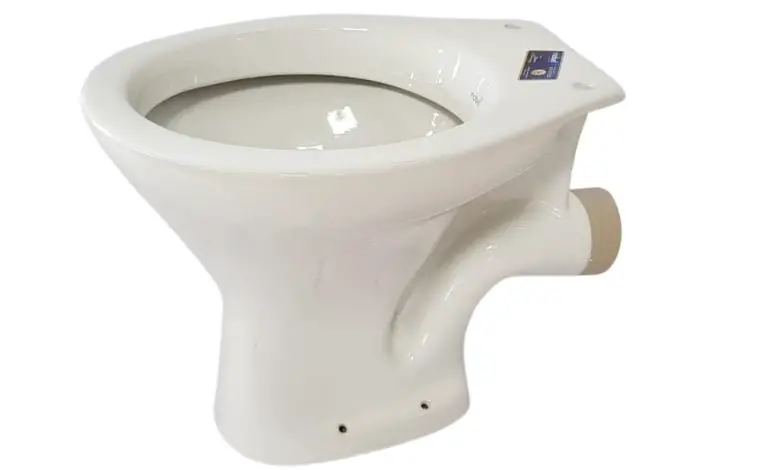
Choose a toilet with the outlet arrangement that matches your plumbing. Trapway diameter and glazing are also worth checking, but neither guarantees clog-free operation.
9. Price and Long-Term Maintenance
Toilet prices vary with brand, design, finish, and features. A basic two-piece fixture often costs less than a premium one-piece or intelligent toilet.
Remember to include installation, seats, seals, supply lines, and future repairs in your budget.
Check the warranty and availability of replacement fill valves, flush seals, and compatible seats. A well-supported model can be easier to maintain over time.
10. Modern Toilet Features Worth Considering
Some modern technologies improve convenience, but not everyone needs every feature.
WaterSense Certification
EPA WaterSense-labeled toilets meet third-party water-efficiency and performance requirements. The applicable standard allows up to 1.28 GPF for qualifying single-flush toilets, while dual-flush models follow effective flush-volume criteria.
A 1.28 GPF toilet uses 20% less water per flush than a 1.6 GPF toilet. Read our explanation of GPF ratings.
Fully Glazed Trapways and MaP Testing
A glazed trapway provides a smoother waste passage. MaP testing measures how much standardized test material a toilet can remove in one flush.
A 1,000-gram MaP result represents strong performance in that test, but it isn’t a mandatory minimum for every reliable toilet.
Rimless Designs
Rimless toilets reduce enclosed areas around the bowl rim, which can make cleaning easier.
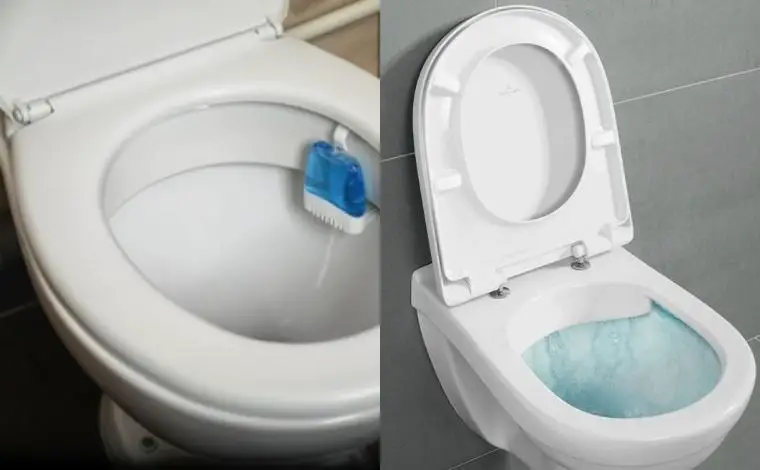
However, the design alone does not guarantee stronger flushing.
Soft-Close, Heated, and Bidet Seats
Soft-close seats reduce slamming noise. Heated seats and night lights add comfort, while electric bidets offer adjustable water cleansing and, on selected models, warm air drying.
Before buying an electric bidet, confirm seat compatibility and the availability of a suitable electrical outlet. See our bidet seat buying recommendations.
Final Checklist Before Buying a Toilet
- Measure the rough-in and bathroom clearance.
- Choose a comfortable bowl shape and seat height.
- Compare one-piece and two-piece construction.
- Check GPF, WaterSense status, and flushing performance.
- Confirm the drain connection and installation requirements.
- Check which accessories are included.
- Review warranty terms and replacement-part availability.
- Compare total purchase and installation costs.
- Make sure the exact toilet model remains supported.
Final Verdict: What to Consider When Buying a Toilet
Choosing the right toilet becomes easier when you know what matters most. Start with bathroom measurements and plumbing compatibility. Then compare flushing performance, comfort, water efficiency, and maintenance costs.
A well-designed gravity toilet may be all you need. If you prefer extra comfort, an intelligent toilet or compatible bidet seat can be worth considering.
Don’t assume the most expensive model is always the best. Understanding what to consider when buying a toilet helps you choose a fixture that fits your bathroom and works reliably for years.
Frequently Asked Questions About Buying a Toilet
1. What are the most important features when buying a toilet?
Check rough-in measurement, flushing performance, bowl shape, seat height, water efficiency, durability, warranty, and replacement parts.
2. How do I choose the right toilet size?
Measure the rough-in, available width, and front clearance. Compare your measurements with the toilet’s complete dimensional drawing.
3. Is a one-piece toilet better than a two-piece toilet?
One-piece models are generally easier to clean around the tank and bowl. Two-piece models are often more affordable and easier to carry during installation.
4. Is a 1.28 GPF toilet better than a 1.6 GPF toilet?
It uses 20% less water per flush, but performance also matters. Compare models with verified flushing efficiency.
5. Is chair height more comfortable than standard height?
Chair-height toilets may suit taller adults and some people with mobility limitations. Shorter users may prefer a lower seat.
6. Should I choose single flush or dual flush?
Dual-flush toilets offer two water volumes. A water-efficient single-flush toilet can also be a good choice. Compare the actual GPF ratings and repair requirements.

Hi, this is Robert Crossan, the owner of this website, has 17 years of experience in the installation, maintenance, and repair of toilets and plumbing systems. After completing the Level 2 Basic Plumbing course in 2005, I started working in both domestic and commercial buildings as a professional plumber. So I can figure out the core difference between different toilet models and brands. It also helped me monitor their work performance and setbacks.