A bathroom is an essential part of every home, whether you own the property or rent it. But living in a rental home comes with a few questions, especially when something breaks or stops working.
One common problem is a blocked toilet. When it happens, you may wonder: Who is responsible for a clogged toilet, the landlord or the tenant?
The answer depends on what caused the blockage. If a tenant flushes something that shouldn’t go down the toilet, the tenant may have to pay for the repair. However, if the problem comes from damaged pipes, an old plumbing system, or a blockage that existed before the tenant moved in, the landlord is generally responsible.
Of course, rental laws and lease agreements vary by location. Before agreeing to pay a plumbing bill, it’s important to understand the cause of the clog and what your rental agreement says.
Let’s look at both sides and find out who should handle the problem.
Who Is Responsible for a Clogged Toilet: Landlord or Tenant?
In most rental situations, responsibility depends on whether the clog was caused by tenant misuse or a plumbing problem beyond the tenant’s control.
For example, if someone flushes baby wipes, paper towels, or a child’s toy, the resulting blockage may be the tenant’s responsibility.
On the other hand, a landlord is generally expected to maintain the property’s plumbing and address problems caused by normal wear, aging pipes, or defects in the building.
Here’s a simple comparison:
| Cause of Toilet Clog | Who Usually Pays? |
|---|---|
| Flushed toys, wipes, or other foreign objects | Tenant, if responsible |
| Excessive toilet paper causing misuse-related blockage | Possibly tenant |
| Old, damaged, or collapsed drainpipe | Usually landlord |
| Tree roots blocking sewer pipes | Usually landlord |
| Clog already present before move-in | Usually landlord |
| Shared building sewer-line blockage | Usually landlord or property management |
| Cause cannot be determined | Depends on local law, lease, and evidence |
These are general guidelines, not universal legal rules. The final responsibility depends on local landlord-tenant laws, the lease agreement, and the actual cause of the plumbing problem.
Why Does a Toilet Get Clogged?
A toilet is designed to handle human waste and reasonable amounts of toilet paper. Unfortunately, people sometimes flush other materials without realizing how much damage they can cause.
Common causes of toilet clogs include:
- Excessive toilet paper: Flushing large amounts at once may block the toilet trapway.
- Baby wipes and paper towels: These materials don’t break apart like toilet paper.
- Children’s toys: Small objects can become trapped inside the toilet.
- Cat litter: Some types expand or form clumps when wet.
- Sanitary products: Tampons, pads, and similar products can obstruct drainage pipes.
- Plumbing defects: Damaged pipes, poor drainage design, or tree roots may restrict wastewater flow.
According to the U.S. Environmental Protection Agency, flushing non-flushable materials can damage household plumbing and wastewater systems.
However, not every clog happens because someone flushed the wrong thing. A toilet may also clog repeatedly because of a restricted trapway, poor flushing performance, or a deeper sewer-line problem.
If your toilet blocks frequently, our guide on why a toilet keeps clogging explains the possible causes.
When Is the Tenant Responsible for a Clogged Toilet?
Tenants are generally expected to use the bathroom properly and avoid causing unnecessary damage.
If the clog results from misuse by the tenant, a household member, or a guest, the tenant may be responsible for the repair cost, depending on the lease and applicable law.
1. Flushing Items That Don’t Belong in the Toilet
One of the most common reasons tenants may have to pay is flushing foreign objects.
For example, if a plumber removes baby wipes, toys, or paper towels from the toilet trap, that may indicate the blockage resulted from improper use.
However, finding debris doesn’t always prove which tenant caused the problem, particularly in a shared drainage system.
2. Ignoring a Developing Clog
Sometimes a toilet starts draining slowly before it becomes completely blocked.
If you notice repeated problems, report them to your landlord or property manager instead of continuing to flush.
Ignoring an obvious problem may allow wastewater to overflow and cause additional damage.
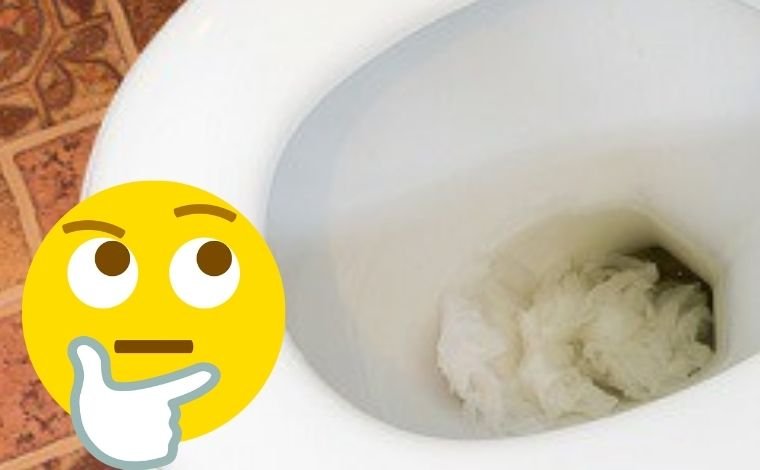
3. Children Accidentally Flushing Objects
Children sometimes drop toys, excessive toilet paper, or other objects into the toilet.
If the obstruction was caused by someone living in the rental property, the tenant may be responsible for the repair.
Keep small objects away from the toilet and teach children what can and cannot be flushed.
4. Neglecting Basic Bathroom Care
Tenants should keep bathroom fixtures reasonably clean and report leaks or unusual drainage problems.
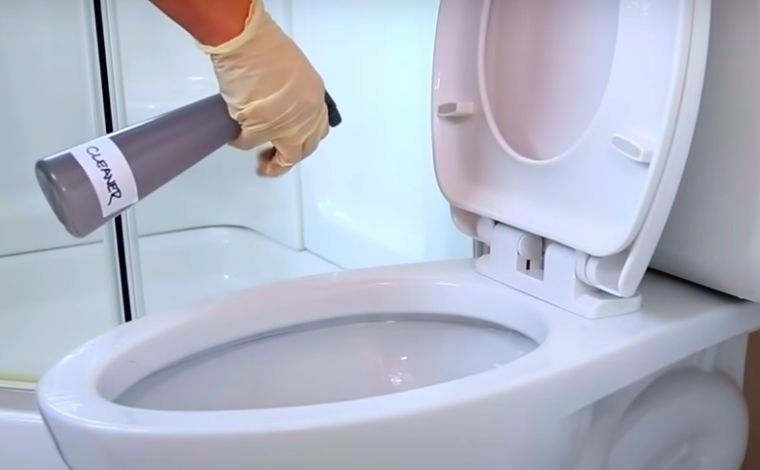
However, a dirty toilet bowl doesn’t automatically cause a drain blockage. Surface stains and an actual plumbing clog are different problems.
Basic cleaning helps maintain hygiene, while proper flushing habits help prevent blockages.
Before attempting a repair, check whether your lease requires you to contact the landlord first. A small blockage may be easy to clear, but a serious plumbing problem needs professional attention.
When Is the Landlord Responsible for a Clogged Toilet?
Landlords are generally responsible for maintaining plumbing systems in safe, working condition, subject to applicable laws and the circumstances of the problem.
A landlord usually shouldn’t charge a tenant for a blockage caused by old pipes, defective plumbing, or an existing problem unrelated to the tenant’s actions.
1. Plumbing Problems Existing Before Move-In
Suppose you move into a rental property and discover the toilet has been draining slowly from the beginning.
If the plumbing problem existed before your tenancy and wasn’t caused by you, the landlord will generally need to address it.
That’s why checking the bathroom during the move-in inspection is important.
2. Damaged or Aging Drainpipes
Drainpipes can deteriorate over time. Some may develop cracks, become misaligned, or accumulate deposits that restrict wastewater flow.
Tree roots may also enter underground sewer pipes through damaged joints.
These issues are normally related to the property’s plumbing infrastructure rather than everyday toilet use.
3. Shared Sewer-Line Problems
In apartment buildings, multiple bathrooms may connect to the same main drainage line.
If several units experience backups at the same time, the shared sewer line could be blocked.
In such cases, the landlord or property management will usually need to arrange an inspection and appropriate repairs.
However, the exact cause still matters when determining who ultimately pays.
4. Failure to Address Reported Plumbing Problems
Landlords should respond appropriately when tenants report serious plumbing issues.
For example, an overflowing toilet or sewage backing up into the bathroom may require urgent professional attention.

If the landlord fails to address a problem they are legally responsible for, the tenant may have remedies under local law.
Those remedies vary by jurisdiction, so tenants shouldn’t automatically deduct repair costs from rent without checking the applicable rules.
What Should You Do When a Rental Toilet Gets Clogged?
Whether you’re a tenant or landlord, handling the problem correctly can prevent unnecessary damage and arguments over repair bills.
Step 1: Stop Flushing
If water is rising in the toilet bowl, don’t flush again.
Repeated flushing can cause an overflow and spread contaminated wastewater onto the bathroom floor.
If necessary, shut off the toilet’s water supply using the valve behind or beside the toilet.
Step 2: Check Whether Other Fixtures Are Affected
If only one toilet is blocked, the problem may be inside the toilet trap or its nearby drain.
If other toilets, showers, or sinks are backing up, the blockage may be farther down the drainage system.
Stop using affected fixtures if you suspect a main sewer blockage.
Step 3: Notify the Landlord or Property Manager
As a tenant, report the problem promptly, particularly if sewage is backing up or the toilet is the only usable bathroom.
Explain when the problem started and whether other fixtures are affected.
Written communication is helpful because it creates a record of the issue.
Step 4: Try a Simple Solution If Appropriate
If your lease permits basic maintenance and the problem appears minor, a toilet plunger may clear the obstruction.
You can also review our guide on unclogging a toilet without a plunger for other possible methods.
Avoid harsh chemical drain cleaners and boiling water. They may damage components or create hazards for anyone who later works on the plumbing.
Step 5: Arrange Professional Help When Needed
If plunging doesn’t work, a plumber may need to inspect the toilet or drainpipe.
A toilet auger can sometimes remove a blockage trapped inside the fixture. You can learn more about the difference between a toilet auger and a drain snake before choosing a tool.
For serious backups, follow your lease’s emergency repair procedure and applicable local law.
What If the Landlord and Tenant Disagree About the Repair Bill?
Sometimes the plumber clears the blockage, but neither party agrees about who should pay.
The best approach is to focus on evidence rather than assumptions.
Useful information includes:
- Photos or videos showing the original problem.
- Written messages reporting the clog.
- The plumber’s invoice and findings.
- Evidence of foreign objects or damaged plumbing.
- Previous maintenance records.
- Relevant terms in the rental agreement.
For example, a plumber’s report identifying a deteriorated main sewer pipe may support the landlord’s responsibility.
On the other hand, a report showing a toy lodged inside the toilet may support a claim that the blockage resulted from tenant misuse.
Don’t assume that every plumbing invoice automatically belongs to the tenant. The cost should be allocated according to the cause, applicable law, and enforceable lease provisions.
Can a Landlord Charge a Tenant for a Clogged Toilet?
Yes, a landlord may be able to charge a tenant when the blockage resulted from the tenant’s negligence or misuse.
However, the landlord generally needs a reasonable basis for the charge and must follow applicable law.
A landlord shouldn’t automatically bill the tenant simply because the blockage occurred during the tenancy.
The same principle applies to security deposits. Deductions for plumbing damage must comply with the laws governing the rental property and should be supported by appropriate documentation.
How Can Landlords and Tenants Prevent Toilet Clogs?
Both parties can reduce plumbing problems by following a few simple habits.
- Flush only appropriate materials: Human waste and reasonable amounts of toilet paper belong in the toilet.
- Keep non-flushable items out: Dispose of wipes, paper towels, cotton products, and sanitary items in the trash.
- Report slow drainage: Don’t wait until a small restriction becomes a complete blockage.
- Maintain the plumbing: Landlords should arrange inspections or repairs when there are signs of defects.
- Keep records: Document move-in conditions, recurring problems, and completed repairs.
- Communicate clearly: Agree on the procedure for reporting routine and emergency plumbing issues.
These small steps can prevent avoidable expenses and make responsibility easier to determine if a problem occurs.
Frequently Asked Questions
1. Who is responsible for a clogged toilet in a rental property?
Responsibility usually depends on the cause. Tenants may be responsible for misuse-related clogs, while landlords are generally responsible for plumbing defects, aging pipes, and problems beyond the tenant’s control. Local laws and lease terms also matter.
2. Does a tenant have to pay a plumber to unclog a toilet?
Not always. If the tenant caused the blockage through misuse, they may have to pay. If the clog resulted from defective plumbing or normal wear, the landlord may be responsible.
3. Is the landlord responsible if the toilet was clogged before moving in?
Generally, yes. A pre-existing plumbing problem normally falls under the landlord’s responsibility, subject to local law and the facts of the case. Document the issue and report it promptly.
4. Can a landlord deduct toilet repair costs from a security deposit?
It may be possible when the tenant caused damage beyond ordinary wear and tear, but deductions must follow applicable security deposit laws and should be supported by evidence.
5. What if the only toilet in my rental property is blocked?
Notify the landlord or emergency maintenance contact immediately. Loss of the only working toilet may require urgent attention under local housing laws. Avoid using the fixture if wastewater is backing up.
6. Who pays when a shared sewer line becomes clogged?
The landlord or property management usually handles shared sewer-line repairs. However, the final allocation of costs may depend on the cause of the blockage and applicable law.
Conclusion
So, who is responsible for a clogged toilet, landlord or tenant? There isn’t one answer that applies to every rental property.
If a tenant causes the blockage by flushing inappropriate materials, they may have to cover the repair cost. If the problem comes from worn-out pipes, defective plumbing, or an existing drainage issue, the landlord will generally be responsible.
The best approach is simple: report problems early, identify the actual cause, review the lease, and keep records of any repairs.
A working bathroom is essential in every home. Clear communication between landlords and tenants can prevent a small plumbing problem from becoming a costly disagreement.
Note: This article provides general information, primarily for U.S. rental properties. Landlord-tenant laws differ by state and locality. Check the laws where the rental property is located and seek local legal advice if a dispute arises.

We are really lucky to have a hard-working, multi-skilled plumber on our team. Collin D. Gallegos, a professional plumber who has worked with us since 2012, is an expert in vent, septic, and drainage systems. He is a Certified Master Plumber and has worked on various commercial plumbing projects. He usually helps our readers resolve plumbing and pipe-related issues with a proper DIY troubleshooting and repair guide.