Installing a high-performance flushing toilet can become frustrating if the toilet flapper size is not correctly matched. The flapper plays a crucial role in controlling how your toilet flushes — it seals the tank, releases water when you flush, and prevents leaks when the tank refills. Choosing the wrong flapper can lead to weak flushes, water waste, and continuous running toilets.
In this detailed guide, you’ll learn how to measure the right size of a toilet flapper, understand the different types of flappers, and discover the best tips for choosing and maintaining them for long-term performance.
Why the Right Toilet Flapper Size Matters
The flapper might seem like a small, hidden part inside your toilet tank, but it’s vital for proper functionality. When you flush, the flapper lifts to let water flow from the tank into the bowl. After the flush, it closes tightly to stop the water flow and allow the tank to refill.
If the flapper doesn’t fit properly, the toilet can develop several issues:
-
Constant running water, leading to higher water bills.
-
Weak or incomplete flushes due to poor water flow.
-
Water leaks from the tank to the bowl.
-
Increased wear on other toilet components.
A properly sized flapper ensures strong flushes, water efficiency, and longer lifespan for your toilet’s internal parts.
Understanding the Function of a Toilet Flapper
The flapper connects to the flush lever through a small chain. When you press the handle, the chain lifts the flapper, allowing water to rush from the tank into the bowl. After flushing, gravity pulls the flapper back down to seal the valve, stopping the water flow.
This simple mechanism maintains the toilet’s water balance. Without a well-fitted flapper, the tank may not fill properly or might continuously leak water into the bowl. That’s why understanding the size and type of your flapper is essential before replacing it.
Different Types of Toilet Flappers
Toilet flappers come in several types based on design and functionality. Choosing the right type depends on your toilet model, tank shape, and flushing mechanism. Here are the three main types: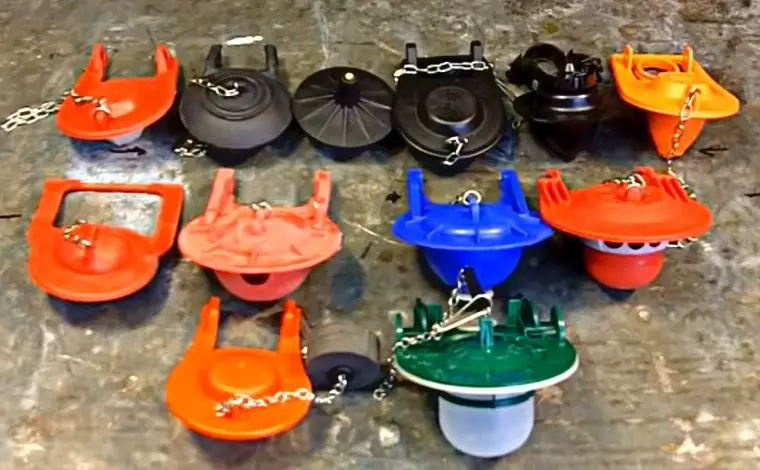
1. Seat Disk Toilet Flapper
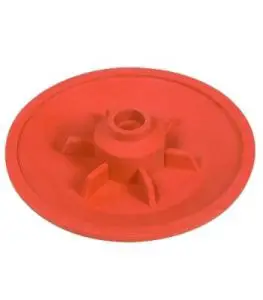 The seat disk flapper is one of the oldest designs. It’s made of a circular disk that covers the overflow pipe to control water flow during flushing.
When you flush, the disk lifts to let water flow into the bowl. After the tank empties, the disk returns to its original position, sealing the valve and allowing the tank to refill.
Advantages:
-
Simple, mechanical operation.
-
Durable materials with long service life (in older models).
Disadvantages:
-
Large and bulky, taking up extra space in the tank.
-
Hard to find in modern hardware stores.
-
Complex mechanism makes repairs or replacements difficult.
These flappers are now mostly obsolete, replaced by more compact and efficient models.
2. Tank Ball Toilet Flapper
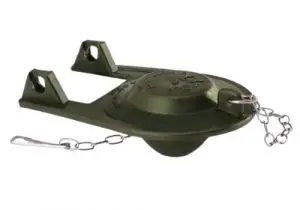 The tank ball flapper uses a ball-and-chain mechanism. The ball sits on top of the overflow pipe, sealing it. When you flush, the lever lifts the chain, raising the ball and allowing water to flow from the tank to the bowl.
After the flush, gravity pulls the ball back down, sealing the overflow pipe so the tank can refill.
Advantages:
-
Straightforward design that’s easy to understand and maintain.
-
Affordable and available in most hardware stores.
Disadvantages:
-
Chains can tangle or stretch, disrupting the seal.
-
If the chain length isn’t adjusted correctly, the flapper may not close properly.
-
Susceptible to minor leaks that waste water over time.
While still in use, many homeowners now prefer more modern options like rubber flappers for better reliability.
3. Rubber Toilet Flapper
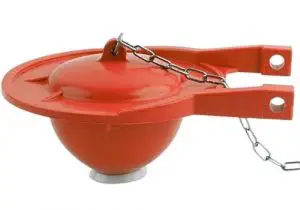 The rubber flapper is the most common and efficient type used in modern toilets. It combines the simplicity of older designs with improved water-tight sealing.
Rubber flappers are flexible, durable, and resistant to corrosion. Despite the name, some models are made of silicone or other materials that perform like rubber. Their main job is to seal the flush valve tightly after every flush to prevent water leakage.
Advantages:
-
Watertight and flexible seal ensures efficient flushing.
-
Easy to install and replace.
-
Fits most modern 2-inch and 3-inch flush valves.
-
Affordable and widely available.
Disadvantages:
-
Can degrade over time due to hard water or cleaning chemicals.
-
May become brittle if exposed to chlorine tablets inside the tank.
Overall, rubber flappers are considered the best choice for most homeowners today.
Common Toilet Flapper Sizes
Most toilet tanks use either a 2-inch or 3-inch flush valve, which determines the flapper size. However, newer high-efficiency toilets may use even larger 4-inch valves.
Here’s a quick guide to help you identify your flapper size:
| Flush Valve Opening | Common Flapper Size | Typical Toilet Model |
|---|---|---|
| 2 inches | 2-inch flapper | Standard toilets |
| 3 inches | 3-inch flapper | Newer or high-flow models |
| 4 inches | 4-inch flapper | American Standard & large flush toilets |
2-inch flappers are the most common, but many new models are switching to 3-inch designs for more efficient water release.
If your toilet flushes large volumes of water quickly, it likely has a 3-inch or 4-inch flapper.
How to Measure the Correct Toilet Flapper Size
Measuring your toilet flapper is simple, and you can do it with a few household tools. Here’s how to ensure you buy the right replacement:
Step 1: Turn Off the Water Supply
Start by turning off the valve located behind or beneath your toilet. Flush the toilet to drain most of the water from the tank. This gives you a clear view of the flapper and valve opening.
Step 2: Remove the Tank Lid
Carefully lift off the toilet tank lid and place it on a flat surface to avoid damage.
Step 3: Locate the Flapper
Find the rubber or plastic flapper at the bottom of the tank. It’s attached to the flush handle by a small chain.
Step 4: Measure the Flush Valve Opening
You can measure the opening of the flush valve where the flapper sits. Use one of these methods:
a. Using a Standard Ruler
Hold the ruler across the diameter of the valve opening. If it measures around 2 inches, choose a 2-inch flapper. If it’s close to 3 inches, go for a 3-inch one. Be careful to measure straight across the widest point for accuracy.
b. Using a Metal Ruler
A metal ruler often gives more precise measurements because it aligns neatly with the edges of the valve opening. You don’t need to remove the flapper completely — just lift it slightly and place the ruler to check the diameter.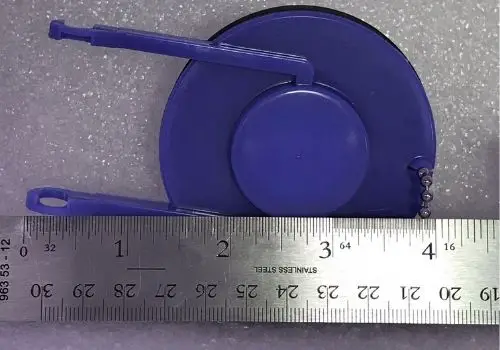
c. Using Paper or Tape
If you don’t have a ruler, use a piece of paper or masking tape:
-
Cut a small strip of paper.
-
Mark the edges of the flush valve opening.
-
Remove the paper and measure the distance with any measuring tape or scale.
This gives you a fairly accurate idea of whether you need a 2-inch, 3-inch, or 4-inch flapper.
Signs You’re Using the Wrong Flapper Size
Even if you’ve installed a new flapper, problems can occur if the size isn’t correct. Here are a few common symptoms:
-
Toilet constantly runs: A poor seal or oversized flapper can let water continuously flow into the bowl.
-
Weak or incomplete flush: A flapper that’s too small restricts water flow, resulting in poor flushing power.
-
Tank refills too slowly: An improper seal can cause slow or inconsistent refilling.
-
Water leaks at the base of the flapper: Indicates a bad fit or worn rubber.
If you notice these problems, recheck your flapper size and replace it if necessary.
How to Replace a Toilet Flapper
Once you know the correct size, replacing the old flapper takes just a few minutes:
-
Turn off the water supply and flush the toilet to empty the tank.
-
Disconnect the old flapper from the flush chain and remove it from the pegs at the base of the overflow tube.
-
Clean the valve seat with a cloth to remove mineral buildup or debris.
-
Install the new flapper by attaching it to the pegs and connecting the chain.
-
Adjust the chain length — it should have about half an inch of slack when the flapper is closed.
-
Turn the water back on and test the flush to make sure it seals properly.
If you still notice leaks, adjust the chain or reseat the flapper until the seal is tight.
Expert Tips for Choosing the Right Flapper
-
Check your toilet brand: Some brands, like Kohler or American Standard, use uniquely shaped flappers. Always confirm compatibility.
-
Inspect the flush valve: If it’s damaged or corroded, even a perfect flapper won’t seal properly.
-
Avoid chlorine tablets: These can damage rubber flappers over time. Use alternative cleaning methods instead.
-
Buy adjustable flappers: These models can fit both 2-inch and 3-inch valves, giving you flexibility.
-
Replace every 3–5 years: Even high-quality flappers degrade with time. Regular replacement prevents unexpected leaks.
Common Questions About Toilet Flappers
1. How often should I replace a toilet flapper?
Every 3–5 years is recommended, but replace sooner if you notice running water or a poor flush.
2. Can I use any flapper with any toilet?
No. Always match the flapper size to your toilet’s flush valve (2-inch, 3-inch, or 4-inch). Some brands require specific models.
3. Why does my toilet keep running after replacing the flapper?
The chain may be too tight or too loose. Adjust it so the flapper closes completely after flushing.
4. How can I tell if my flapper is leaking?
Add a few drops of food coloring to the tank water. If the color appears in the bowl after 15–20 minutes without flushing, your flapper is leaking.
5. What’s the most reliable flapper type?
Rubber or silicone flappers are the most efficient and long-lasting for modern toilets.
Conclusion
The toilet flapper may seem like a small, hidden part of your bathroom setup, but it plays a huge role in how well your toilet performs. An incorrect flapper size can cause continuous leaks, water waste, and weak flushes — all of which can be avoided with simple measurement.
To summarize:
-
Identify your flush valve size (2-inch, 3-inch, or 4-inch).
-
Use a ruler or paper strip to measure accurately.
-
Choose a compatible rubber flapper for durability and watertight sealing.
If you’re unsure, take your old flapper to the hardware store or ask a professional plumber for advice. By selecting the right toilet flapper size, you’ll enjoy a cleaner, quieter, and more efficient bathroom — free from leaks and water waste.

Hi, this is Robert Crossan, the owner of this website, has 17 years of experience in the installation, maintenance, and repair of toilets and plumbing systems. After completing the Level 2 Basic Plumbing course in 2005, I started working in both domestic and commercial buildings as a professional plumber. So I can figure out the core difference between different toilet models and brands. It also helped me monitor their work performance and setbacks.